

Managed IT and service desk
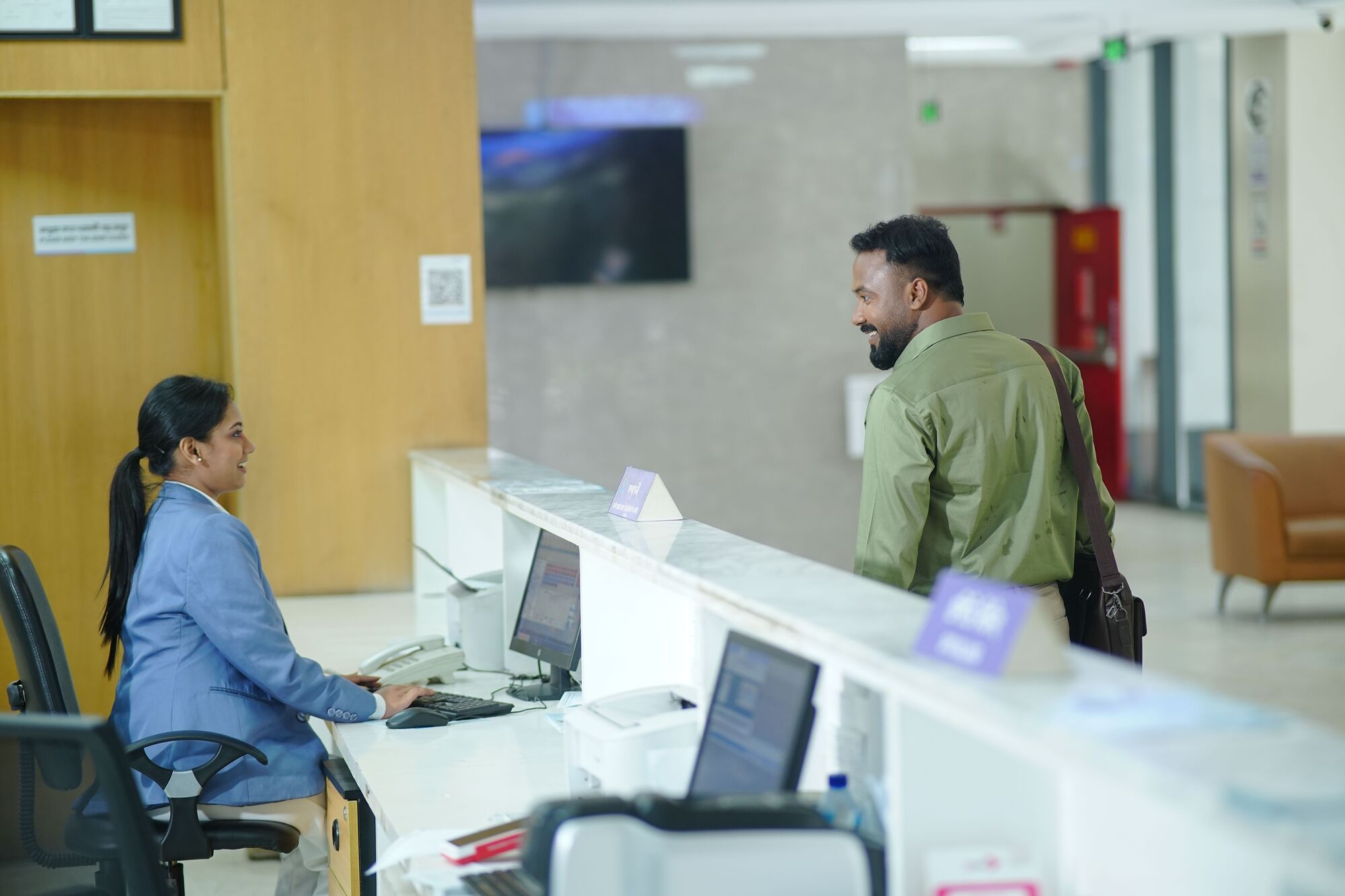
An ITIL-aligned IT service desk for incidents, requests, problems and changes, with monitoring that checks each computer every 15 minutes and logs faults as tickets automatically.


Municipal IT services keep a municipality's financial systems, networks and data running, secure and audit-ready under the MFMA and mSCOA. Arke Technologies, based in Johannesburg, offers municipalities across South Africa one accountable partner to integrate ERP and billing data, secure offices and depots, run the service desk and report monthly to management.
ICT in local government spans far more than desktops and email. A typical municipality runs a financial system for budgeting, accounting and supply chain; a billing system for meter readings and the municipal account; the valuation roll; payroll; records and council management; planning and GIS; and the networks that connect head office to cashier halls, libraries, traffic departments and depots.
Municipal IT services are the people, processes and tools that keep all of that working: a service desk staff can reach, networks that ride through load-shedding, backups that restore, user access the Auditor-General can test, and systems that exchange data so finance is not re-keying figures.
Many municipalities run all of this with a small ICT unit and several suppliers, and faults that sit between two suppliers are the ones that linger. We do not replace your ICT manager; we add capacity, governance and specialist depth under one contract, as part of our wider IT services for government and the public sector.
Every municipal system is judged against the same legislative frame, and we work to it:


An ITIL-aligned IT service desk for incidents, requests, problems and changes, with monitoring that checks each computer every 15 minutes and logs faults as tickets automatically.
LAN, WAN, firewalls, VPNs and Wi-Fi linking head office, satellite offices and depots. We design and install structured cabling (Cat6 and Cat6A, fibre backbones, patch panels and racks), then certify and document it for your asset register.

Hardening, email security and access governance aligned with the NIST Cybersecurity Framework and the CIS Controls; see cybersecurity for government and municipalities.
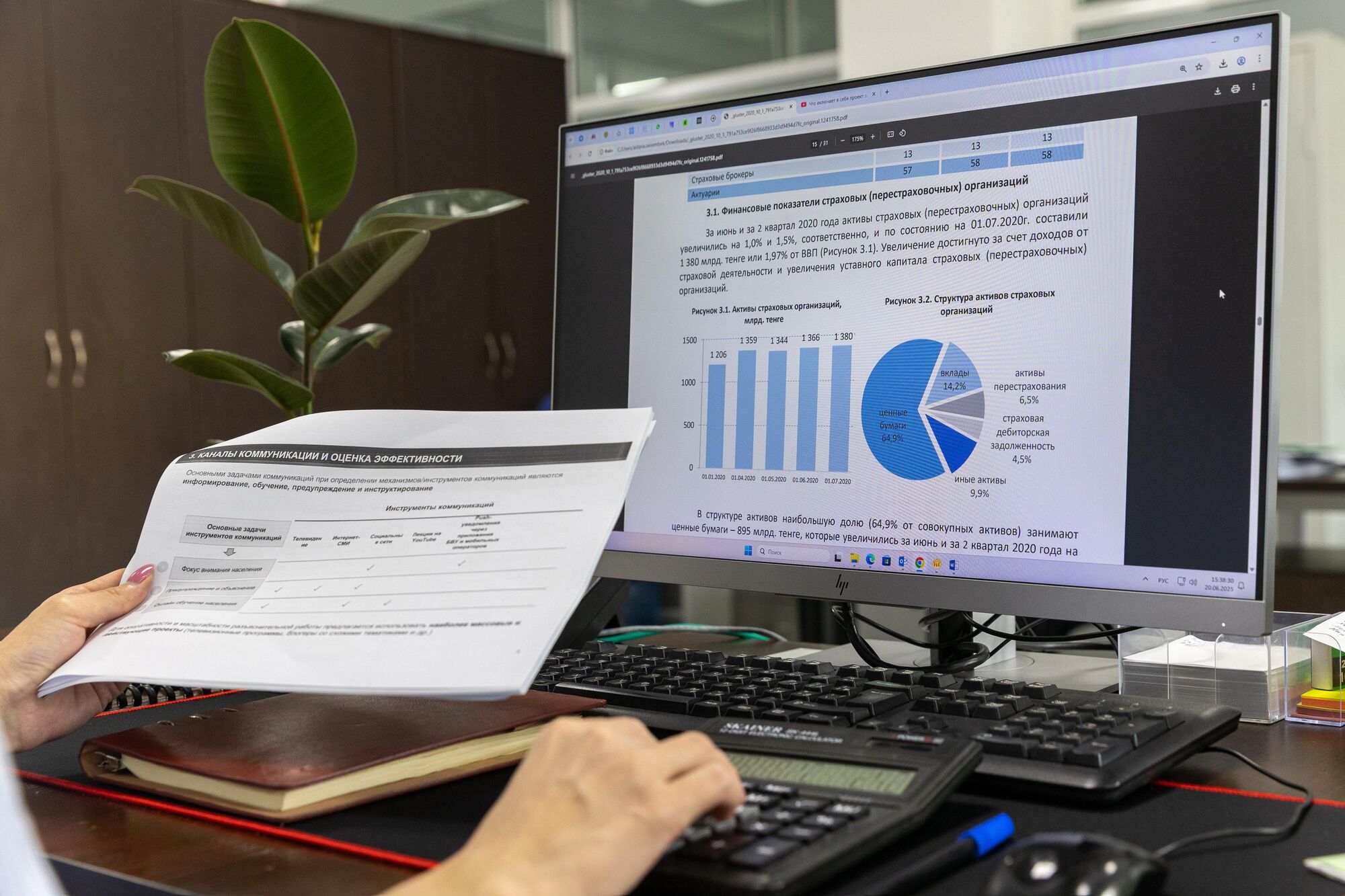
Connecting the ERP, billing, valuation and payroll systems through systems integration, with dashboards for finance and executive management.
Backup and disaster recovery planned around load-shedding, with restores tested and recorded for the audit file.
Offline-first mobile apps for meter readers and inspectors that capture data with no signal and sync when it returns.

Servers, laptops and network equipment through Server Hub, our hardware division; business fibre and LTE through Fibre Boyz, our connectivity division, so one supplier carries the whole stack.
Revenue is where inconsistent data does the most visible damage. When the billing system, the meter records and the valuation roll disagree, properties go unbilled, tariffs are applied to the wrong category and the debtors book stops reflecting what residents actually owe.
Our method has three steps: reconcile billing, metering and valuation-roll records against each other; report every exception with its value and a named owner; then fix the interfaces and controls so the gap does not reopen. Municipal revenue enhancement sets out the full service.

Municipal managers and CFOs must show council and the audit committee that IT is under control. Our contracts are built for that:
Last reviewed: September 2026.
We price managed IT per user per month, set after an assessment; project work outside the SLA, such as an integration or a network rebuild, is quoted per project. Published South African rates for managed IT run from about R180 to R400 per user per month (matnet.co.za, September 2026).
What moves a municipal quote is the number of sites and the distance between them, the number of users, the state of the network and backups, how many systems must be integrated, and the quality of the data. Licences for a municipal ERP are contracted with its vendor, outside our fee. Every assumption is written into the proposal, so evaluators can compare costs fairly.

B-BBEE contributor
135% procurement recognition for your spend
Municipalities buy through MFMA supply chain management: a request for quotation for lower-value work, or a competitive bid above your policy's threshold. Arke Technologies (Pty) Ltd is a Level 1 B-BBEE contributor, giving 135% procurement recognition (sworn affidavit available on request). We complete the bidding documents a bid requires and supply company documents and a bank confirmation letter on request. Our Central Supplier Database (CSD) number and SARS tax compliance status are available on request. The full compliance pack is on procuring from Arke, and our guide to PFMA, MFMA and ICT procurement explains how the public sector buys technology.