010 447 2445Contact
Arke Technologies home
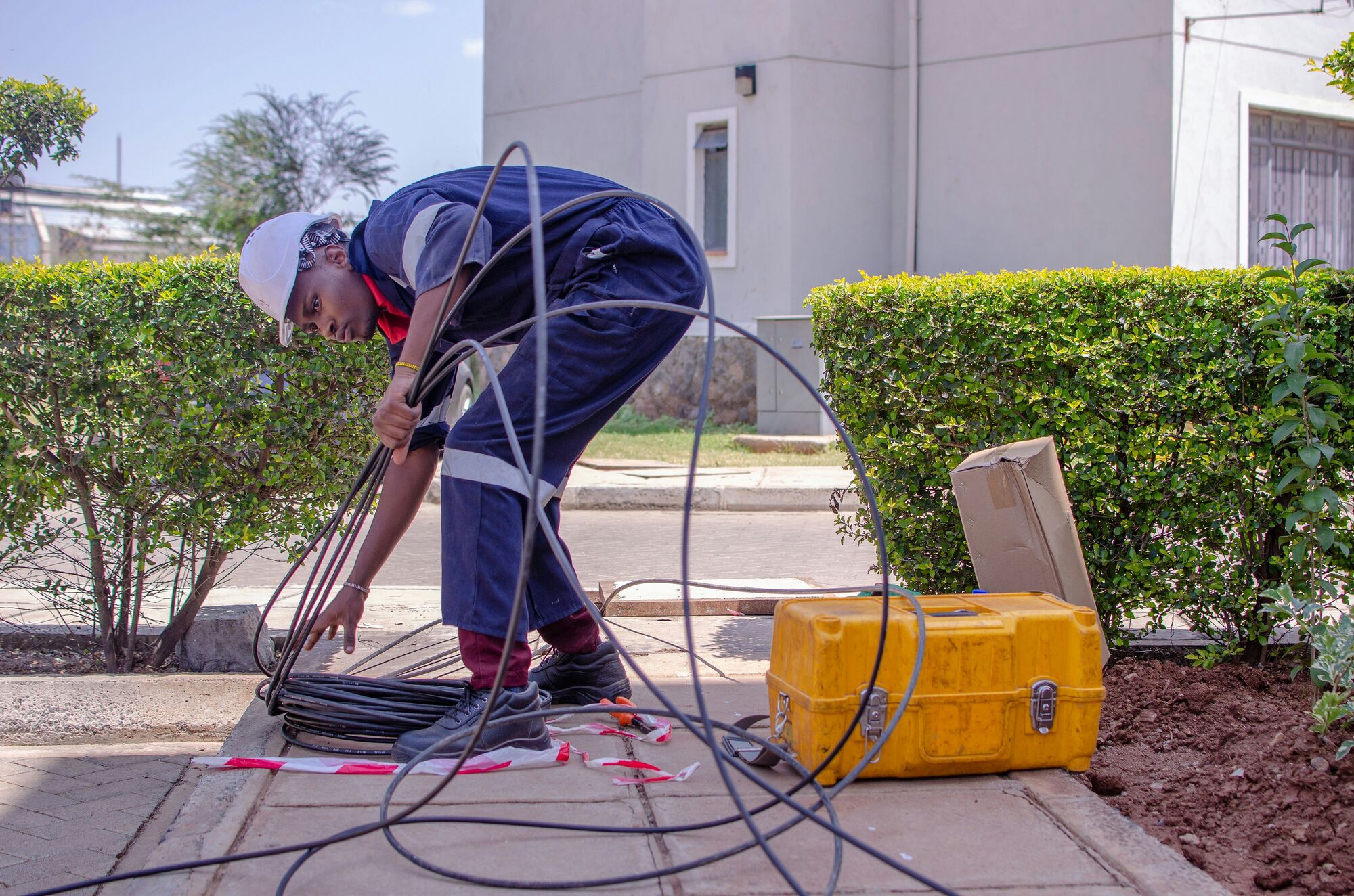
A technician lays cable from a pit beside a pavement, a test case open beside him.

Business fibre and fixed LTE for organisations

Business fibre is a fibre internet service built for organisations, sold with business support and service commitments that home fibre lacks. Arke Technologies supplies business fibre and fixed LTE across South Africa through Fibre Boyz, the internet service provider we have run since 2017, and supports the line with your network, firewall and Wi-Fi.

What business fibre is, and why it matters

Business fibre, or fibre to the business, is an internet connection over a fibre-optic line into your premises, sold with commitments a home service does not carry: lower contention, a written service-level agreement, static IP addresses and business support. Fibre for business and fibre for homes often share the same network in the street; the difference lies in how the service is built, sold and supported. Our guide to business fibre vs home fibre compares them side by side.

Fixed LTE is the wireless alternative: a 4G router fixed to one address on a mobile network. It connects quickly where fibre has not arrived, and makes a sensible backup where it has.

Business internet is now the utility every system depends on: cloud accounting, Microsoft 365 or Google Workspace, Teams and VoIP calls, card payments, online sales and marketing, remote access to your servers, and the backups that protect them. When the line stops, so does the organisation. That is why we treat connectivity as part of the IT estate, alongside network infrastructure, rather than as a separate purchase.

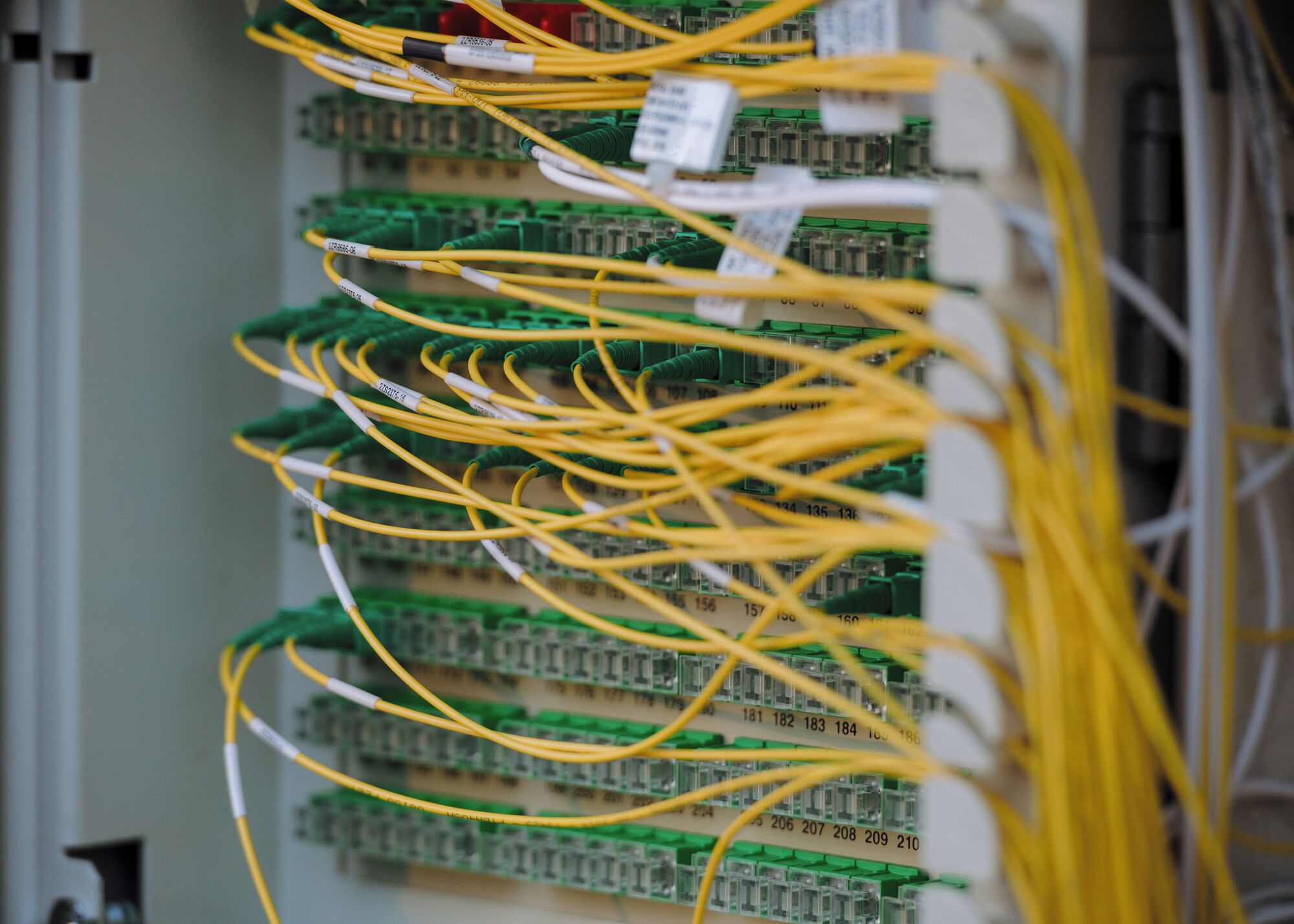
Yellow fibre patch leads fanned into a fibre distribution frame.

Our business fibre packages and connectivity services

  • Business fibre

    Uncapped fibre internet for business on the network that serves your building, with the router configured, the service confirmed and billing and support carried by us.

  • Fixed LTE for business

    Where fibre has not yet reached a site, or as a second link on a different technology from the primary line.
  • Backup power for the network

    The fibre terminal, router and switches on a UPS, so your side of the connection rides through load-shedding.

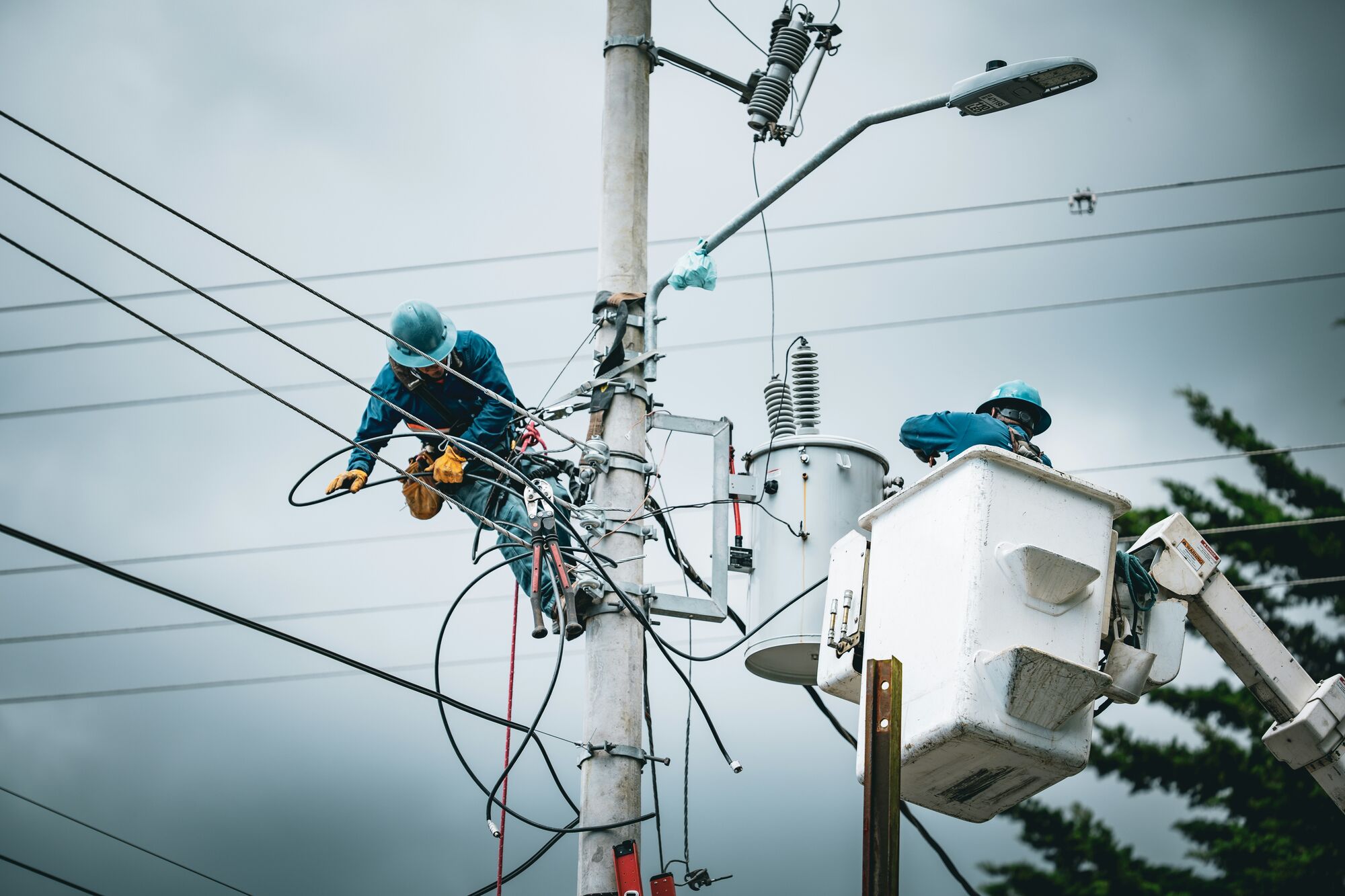
Two technicians work on overhead lines from a cherry picker.

Which networks we connect on

Much of South Africa's fibre is open access. A fibre network operator builds and owns the fibre in the street, and internet service providers sell services over it, so one building can often choose between several networks and many providers. We connect business fibre on networks including Openserve (part of Telkom), Vuma (formerly Vumatel) and Frogfoot, and on others where they reach your building. Fixed LTE runs on major mobile networks, and we confirm signal and coverage at the exact address before we recommend it.

That is why a search for uncapped fibre deals in my area gives different answers from one street to the next: availability depends on which networks have built to your address. Whether you are comparing Openserve business fibre, Vuma uncapped fibre deals or the best ISP in Cape Town, the first question is the same: which networks reach the building, and how well. Check an address at fibreboyz.co.za  (opens fibreboyz.co.za), or send us a list of sites and we will check them all. For offices in the Western Cape, see our page on IT services in Cape Town.

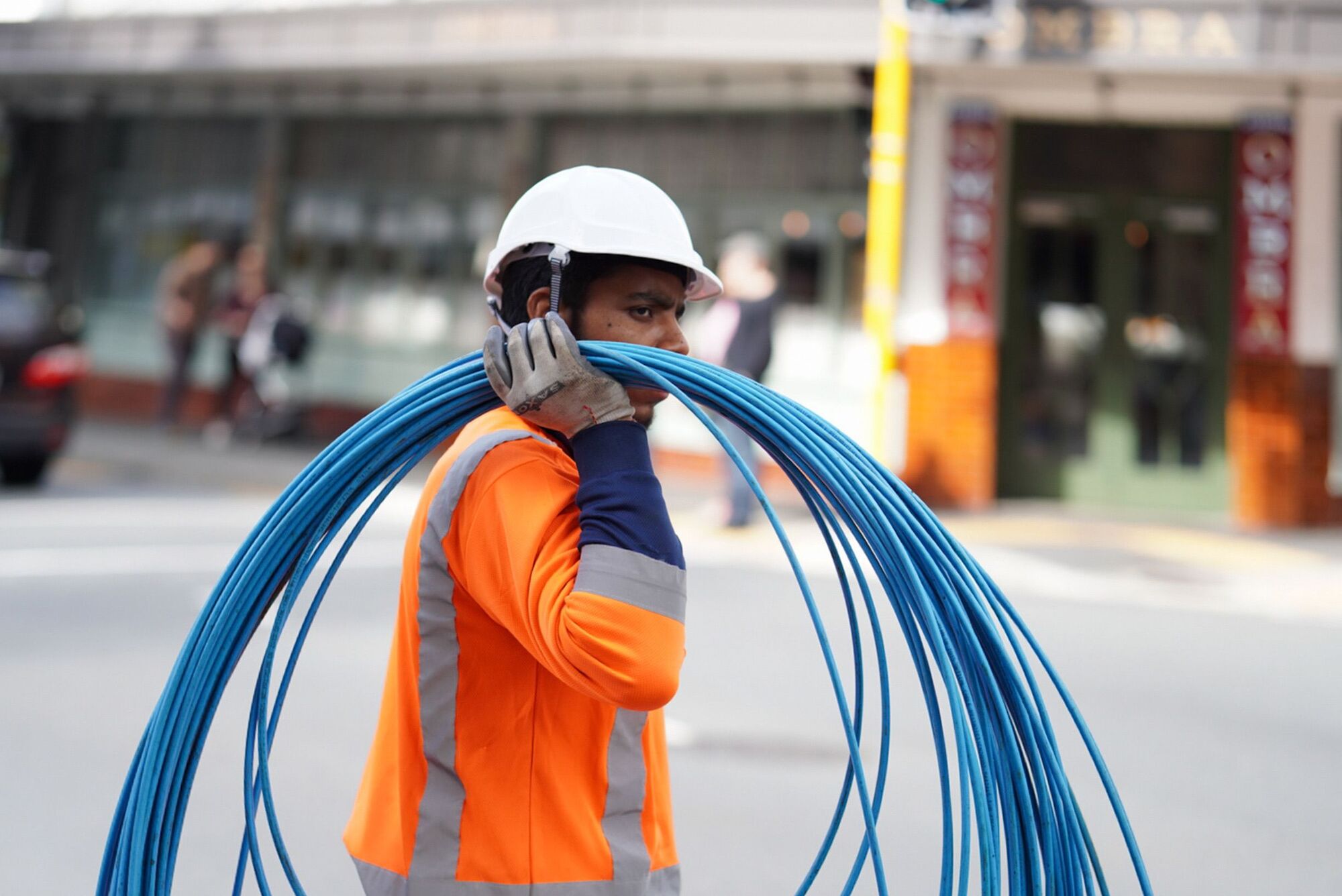
A worker in a hard hat and hi-vis carries a coil of blue cable along a street.

Uncapped fibre: meaning, deals and the small print

What is uncapped fibre? Uncapped means the service has no monthly data limit, so you are not cut off or charged extra for using more. The uncapped fibre meaning stops there: it says nothing about speed at busy times, fault repair or support. When you compare uncapped fibre deals or uncapped fibre packages, read these:

  • The fair use policy. Fibre uncapped deals, and fixed LTE uncapped packages in particular, can carry a policy that slows the line after a usage threshold.
  • Shaping and throttling. Unshaped means no type of traffic is slowed; unthrottled means your speed is not cut after heavy use.
  • Contention. How many users share the capacity, which decides month-end and afternoon performance.
  • Upload speed. Cloud backups, video calls and remote access need upload capacity, which is where home packages are thinnest.
  • The contract term. Uncapped fibre deals month to month give flexibility; longer terms can lower the monthly price or cover installation. Check the notice period and cancellation costs either way.
  • Support. Who answers, during which hours, and how a fault is escalated.

Cheap uncapped fibre deals are built for households and rarely include what an organisation needs when the line fails. The cheapest uncapped fibre deals on paper can cost the most over a contract term, because one day offline for a finance team at month-end, a clinic or a school office outweighs the monthly saving. Fixed LTE deals follow the same logic: read the fair use policy and confirm coverage at the exact address.

Business fibre vs fixed LTE

Business fibreFixed LTE
How it reaches youA fibre-optic line into the buildingA 4G signal to a router fixed at your address
ConsistencyStable speeds and low latencyVaries with signal strength and how busy the tower is
Lead timeDepends on whether fibre already reaches the building; building new fibre takes longerUsually quicker, once coverage at the address is confirmed
DataUsually uncappedUncapped or data bundles, often with a fair use policy
Best useThe primary link for offices, schools and branchesSites without fibre, temporary sites and backup links
During load-sheddingYour equipment needs backup power, and the network's equipment needs it tooDepends on backup power at the tower

Many organisations run both: fibre as the primary link and fixed LTE on a different network as the backup, joined by a firewall that fails over automatically.

How to choose an internet service provider for business

What internet providers are there, and what internet services do they sell? Three kinds of company sit behind every connection: fibre network operators, which build and own the fibre; mobile network operators such as MTN, Vodacom and Telkom, which run the LTE and 5G networks; and internet service providers, which sell and support the service you use. As a service provider of internet for business, we sit in the third group and choose the network for each site.

Internet providers in South Africa are many, and lists of the best ISP in South Africa or the best internet provider rarely agree, because the best internet company for one address can be a poor choice for another. For an organisation, the best ISP is the one that:

  • serves your address on a network with a good record there;
  • puts support hours, fault logging and escalation in writing;
  • states contention and upload speed in the contract, not only in the advert;
  • offers a backup link on a different network or technology;
  • gives you the router and firewall credentials;
  • sends one bill and answers one number, instead of a network operator, an ISP and an IT company pointing at each other;
  • belongs to the Internet Service Providers' Association of South Africa (ISPA) and follows its Code of Conduct.

Arke Technologies, trading as Fibre Boyz, is a member of ISPA and is bound by its Code of Conduct.

Business internet security

Every connection into a building is also a way in. Business internet security starts at the line:

  • a managed firewall at the edge, patched and monitored, with only the ports you need open;
  • DNS and web filtering that blocks known malicious sites, and content filtering for schools;
  • VPNs for remote staff and site-to-site links, with multi-factor authentication;
  • separate networks for staff, guests, cameras and payment systems;
  • router and firewall credentials changed from their defaults and recorded in your documentation.

See our cybersecurity services for the wider programme.

Why business fibre costs more, and how we quote

Business fibre costs more than home fibre because the provider commits more: capacity shared among fewer users or reserved for you, faults handled to written targets, business support and, sometimes, new fibre built to the building. The main price drivers are the network that serves your address, the speed and symmetry, the contention, the contract term, any build or installation charge, and whether you add a backup link.

We do not publish connectivity prices here, because they depend on your address, the network and the service level. Business fibre deals advertised online rarely show the whole cost of a critical site. Fibre Boyz quotes per premises, and for organisations we support, the line can sit inside the managed IT contract.

A technician lays cable from a pit beside a pavement, a test case open beside him.

How we connect a site

  1. Understand the site

    Users, systems, calls, cloud backups, cameras and what an hour offline costs you.

  2. Check coverage

    Which fibre and mobile networks reach the address, and whether fibre must be built.

  3. Recommend

    A primary line and, for critical sites, a backup on a different network or technology.

  4. Order and install

    We order the line on the chosen network and follow the installation through to a confirmed, working service.

  5. Configure

    Router, firewall, failover, Wi-Fi and UPS, set up and documented.

  6. Hand over and support

    One bill and one number. For managed IT clients, the line becomes part of the estate we support under the SLA, and Teams and VoIP telephony can run over it.

Governance, compliance and procurement

  • Governance and reporting. Connectivity faults are logged and prioritised from P1, a critical outage, to P4, a low-impact request, with targets agreed in your SLA and reported in the monthly service review. Firewall and routing changes go through change control. See IT governance, risk and compliance.
  • Compliance. Firewalled, monitored connections support POPIA's requirement (section 19) for reasonable technical measures to protect personal information, and public bodies get documentation that suits PFMA and MFMA audits.
  • Procurement fit. Arke Technologies (Pty) Ltd is a Level 1 B-BBEE contributor (sworn affidavit available on request), giving buyers 135% procurement recognition. Company documents, our CSD supplier number and SARS tax compliance status are available on request. Buy on a quotation and purchase order, on a proposal and SLA, or through a tender, for which we complete the standard bidding documents (SBD forms).
  • Continuity. A single office and a multi-site network run on the same documentation and support model, with a backup link on a different network for critical sites. Router and firewall credentials, IP address records and network documentation are yours, so a change of provider never strands you.

Frequently asked questions

What is business fibre? Show answer

Business fibre is a fibre-optic internet service designed for organisations. Compared with home fibre, it usually adds a written service-level agreement with priority fault handling, lower or no contention, symmetrical speeds, static IP addresses and business support. It comes as shared business broadband or as a dedicated, uncontended line, depending on how critical the connection is to the site.

What is the difference between home fibre and business fibre? Show answer

Business fibre differs from home fibre mostly in the service built around the same glass. Home fibre is shared among many users, often asymmetric and supported on a best-effort basis. Business fibre usually commits to fault-handling targets in a service-level agreement, shares capacity among fewer users or none, and offers static IP addresses, symmetrical speeds and business support with escalation.

Which business fibre provider is the best? Show answer

The best business fibre provider is the one that serves your address well and commits in writing to what matters to you: fault-handling targets, contention, upload speed, support hours and a backup option. Ask for the service-level agreement and the fair use policy before you sign, and check who answers when the line fails.

Why is business fibre so expensive? Show answer

Business fibre costs more because the provider commits more to it. Capacity is shared among fewer users or reserved for you, faults are handled to written targets, which keeps technicians and spares on standby, and a new line may need fibre built to your building. You are paying for predictability as well as speed.

What is fixed LTE? Show answer

Fixed LTE is internet delivered over a mobile network's 4G signal to a router that stays at one address. It needs no fibre in the street, so it connects quickly, and it suits sites fibre has not reached, temporary sites and backup links. Speeds vary with signal strength and how busy the tower is, and many packages carry a fair use policy.

Is fibre faster than Wi-Fi? Show answer

Neither is simply faster, because they do different jobs: fibre is the connection into your building, and Wi-Fi carries that connection from the router to your devices. A fast fibre line can feel slow behind weak, crowded or badly placed Wi-Fi, so a site with many users needs Wi-Fi designed for its layout as well as a good line.

What is the best internet for a small business? Show answer

For most small businesses, the best internet is uncapped business fibre where it reaches the building, with fixed LTE on a different network as a backup. The line should come with business support, a clear fair use policy and enough upload speed for cloud backups and video calls. Where fibre has not arrived, fixed LTE can serve as the main link.

Check connectivity for your sites

Send us your site addresses and how each one uses the connection, and we will recommend the line, the backup and the network behind them.