
Managed IT services for manufacturing and mining
Service desk, device and server management, patching and backup for offices, workshops and control-room PCs on the business network, under an SLA.
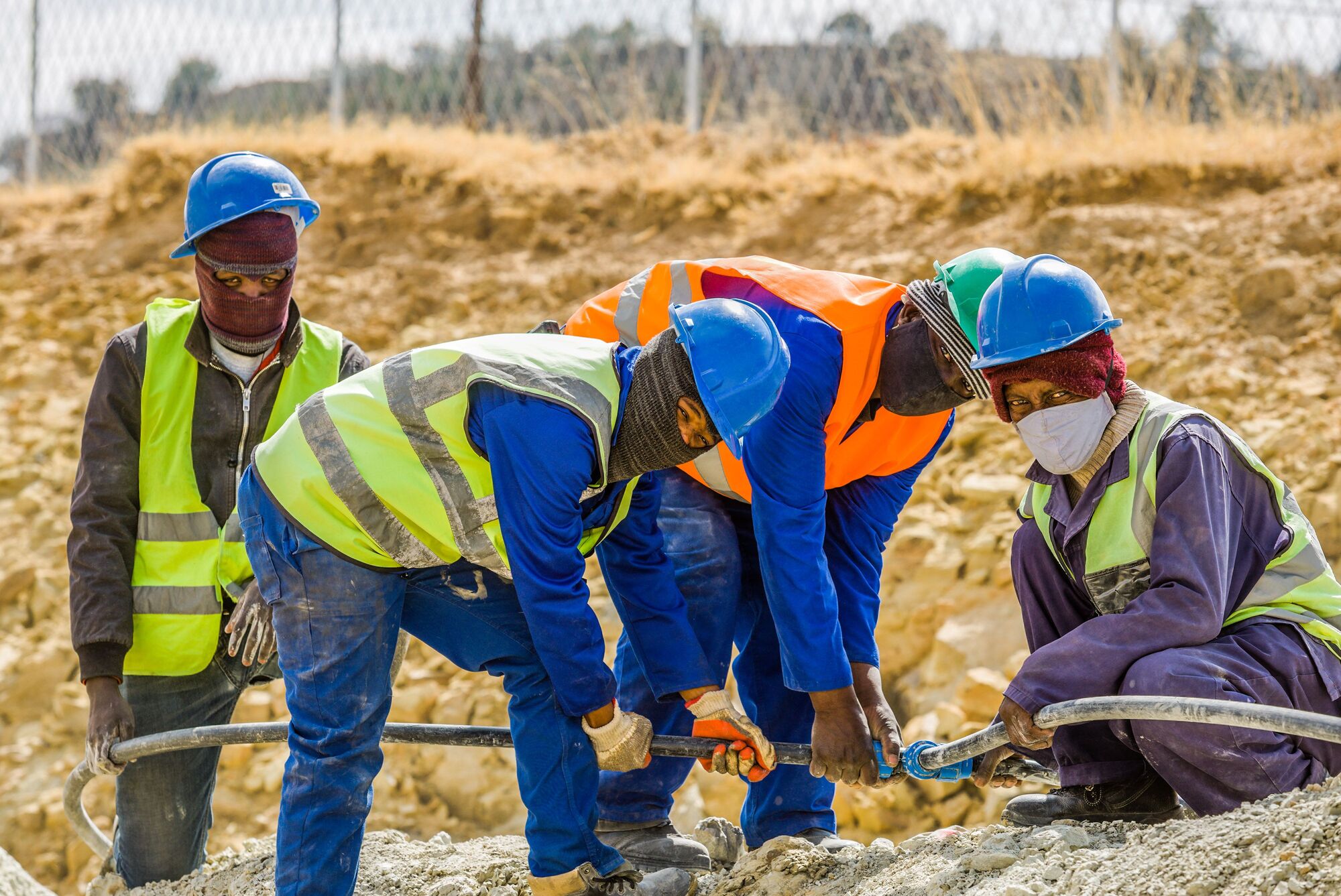
Arke Technologies provides manufacturing IT solutions for mines, plants and industrial sites across South Africa, from Johannesburg. We run the business IT, secure the boundary between office networks and operational technology (OT), connect remote sites, and build the ISO, safety and ESG reporting systems that operations and compliance teams depend on.
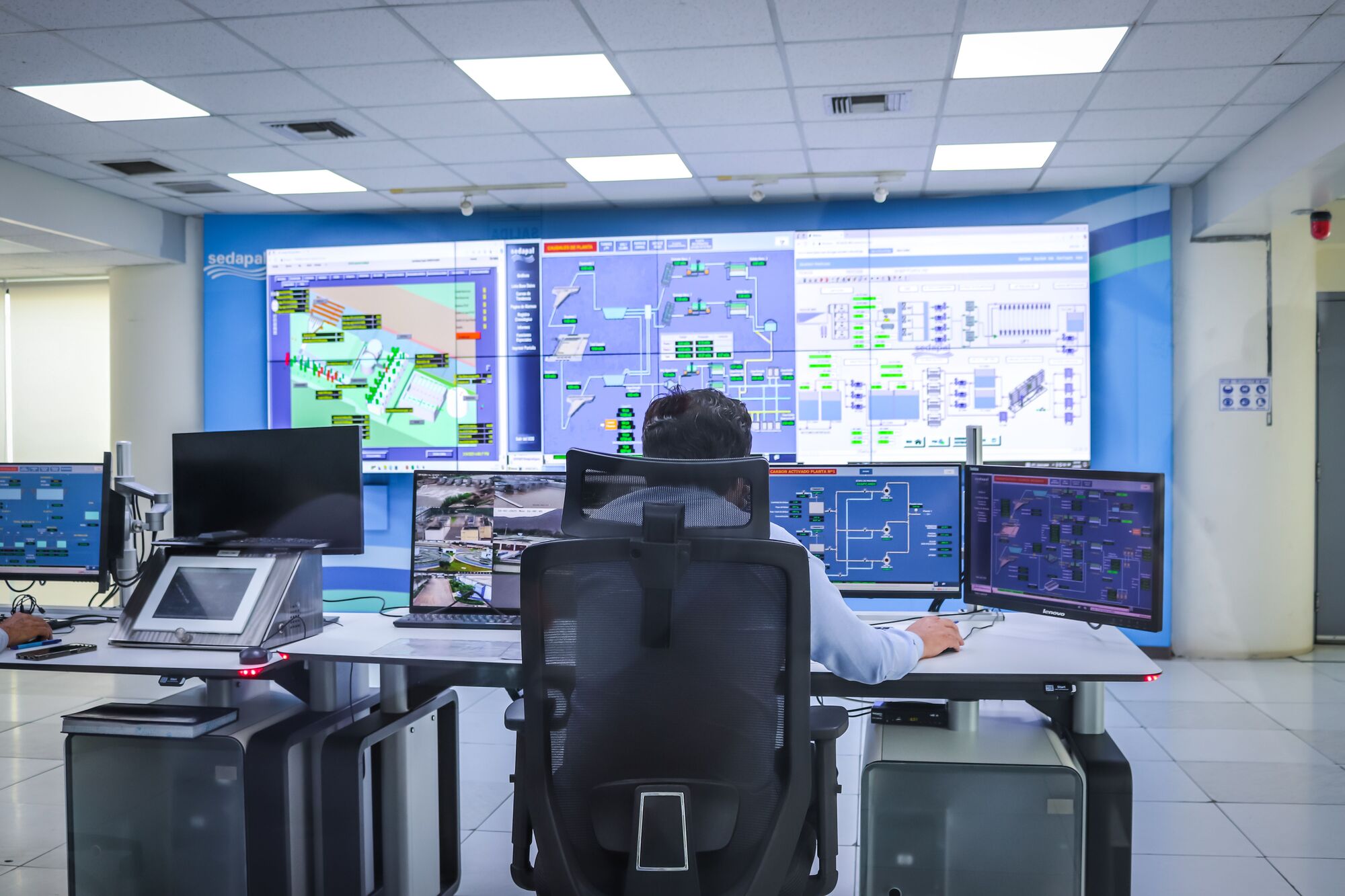
IT in mining and in manufacturing is not office IT on a bigger scale. A plant or mine runs two networks: business IT (email, ERP, finance, HR) and operational technology, the controllers, SCADA systems and HMI screens that run conveyors, pumps, kilns and packing lines. An outage in the first stops paperwork. An outage in the second stops production, and can create a safety incident.
The on-site reality shapes everything we design:
IT for manufacturing companies and mines therefore needs change control that respects production windows, and security that assumes the plant cannot simply be rebooted.
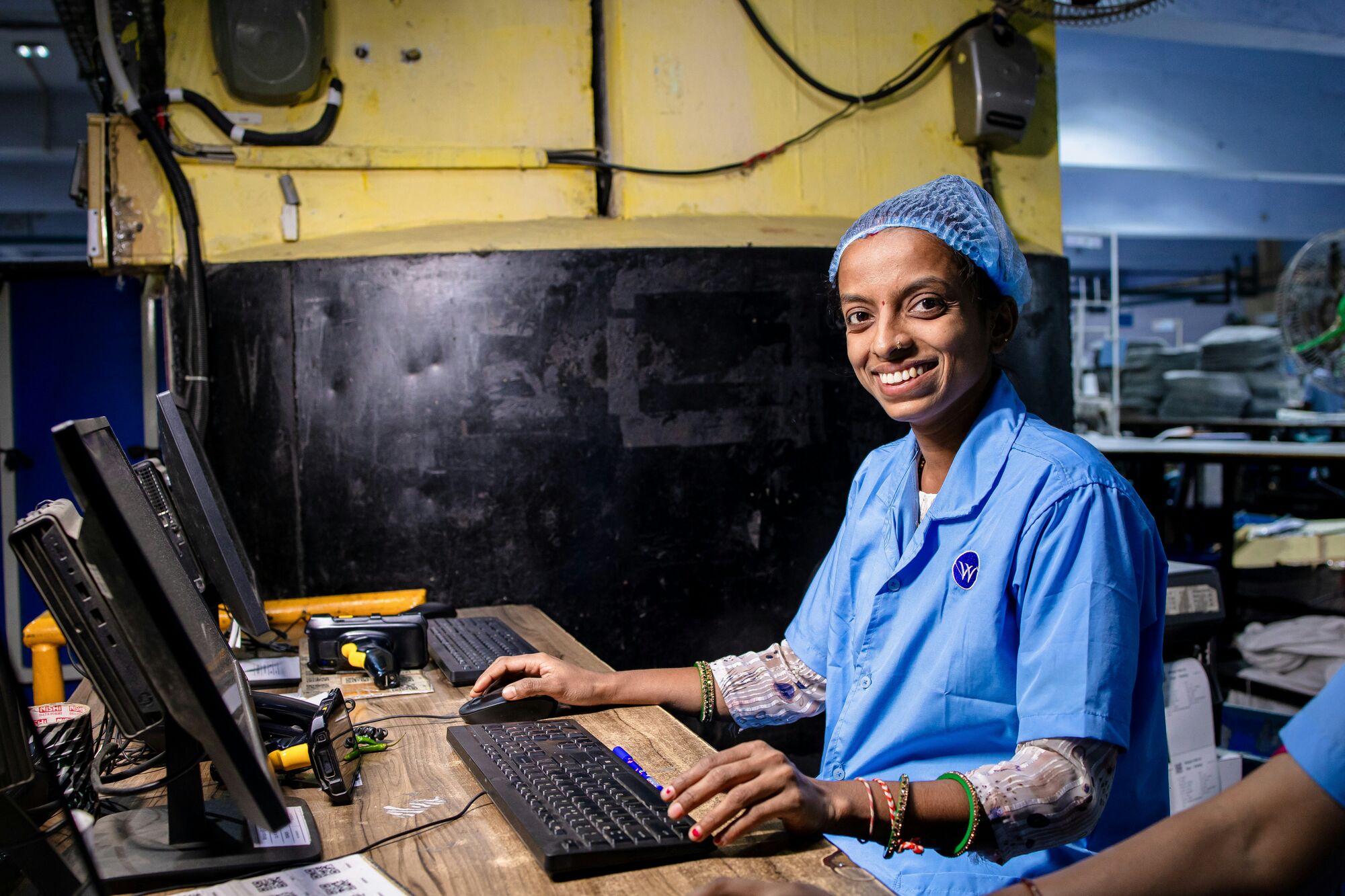

Service desk, device and server management, patching and backup for offices, workshops and control-room PCs on the business network, under an SLA.
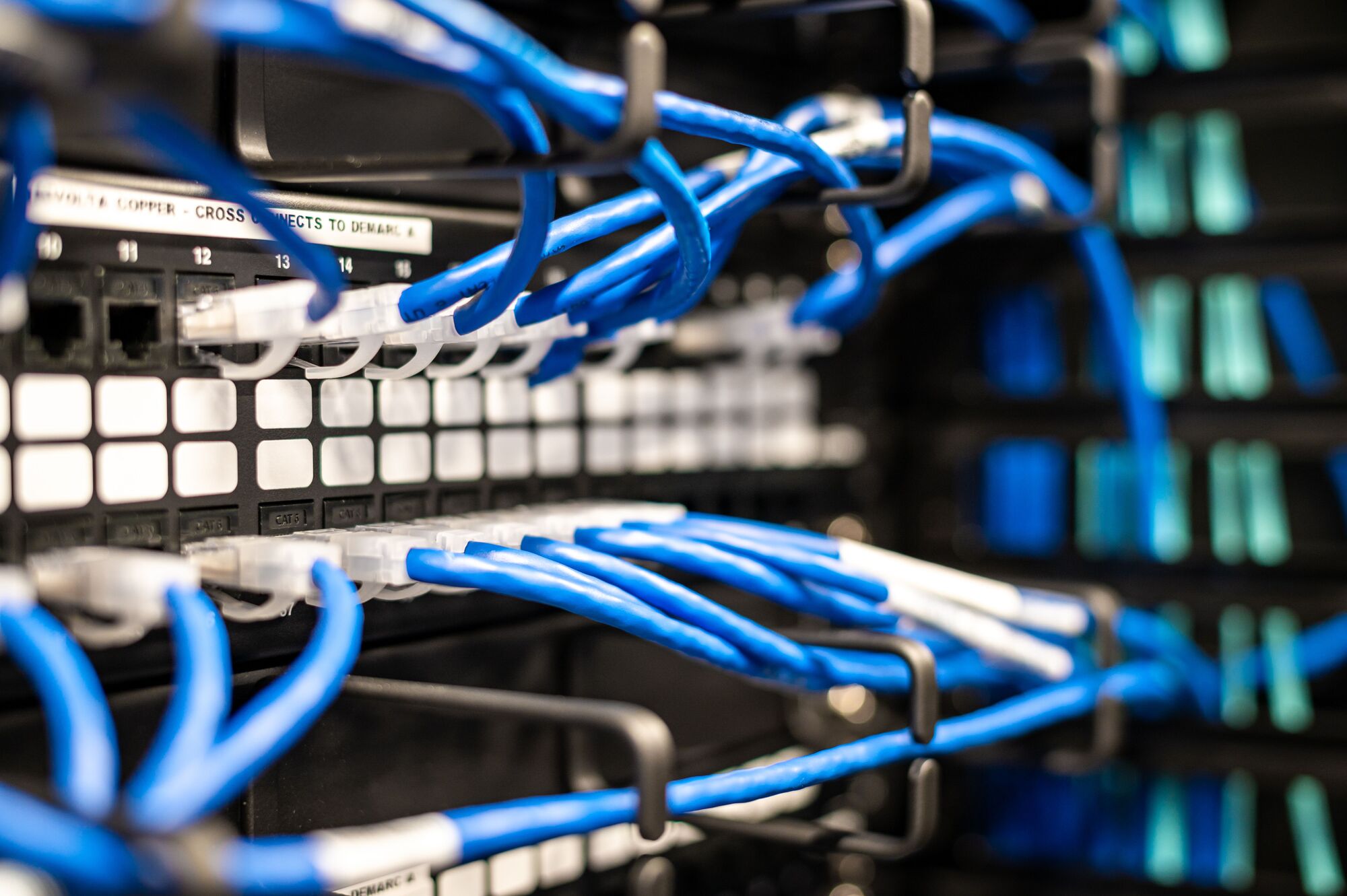
Structured cabling (Cat6/Cat6A and fibre backbones) that we install, certify and document; LAN/WAN design; Wi-Fi for workshops, stores and yards; site-to-site VPNs.

Firewalls and segmentation between IT and OT, controlled remote access for equipment vendors, monitoring and incident response.
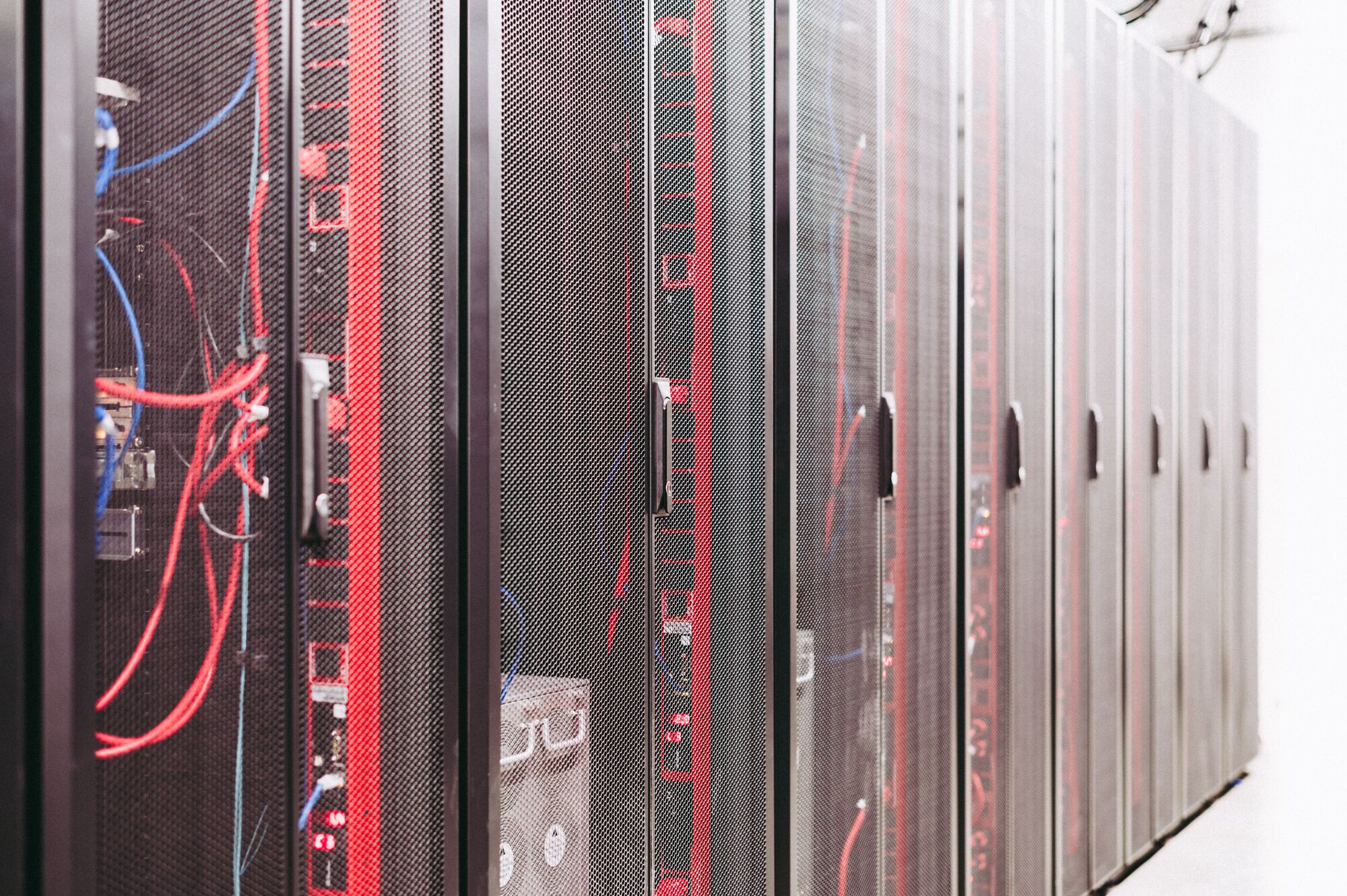
Virtualised servers on VMware, Hyper-V or Proxmox, with power, cooling, UPS and racking specified for the site, and hardware supplied through our trading division Server Hub.
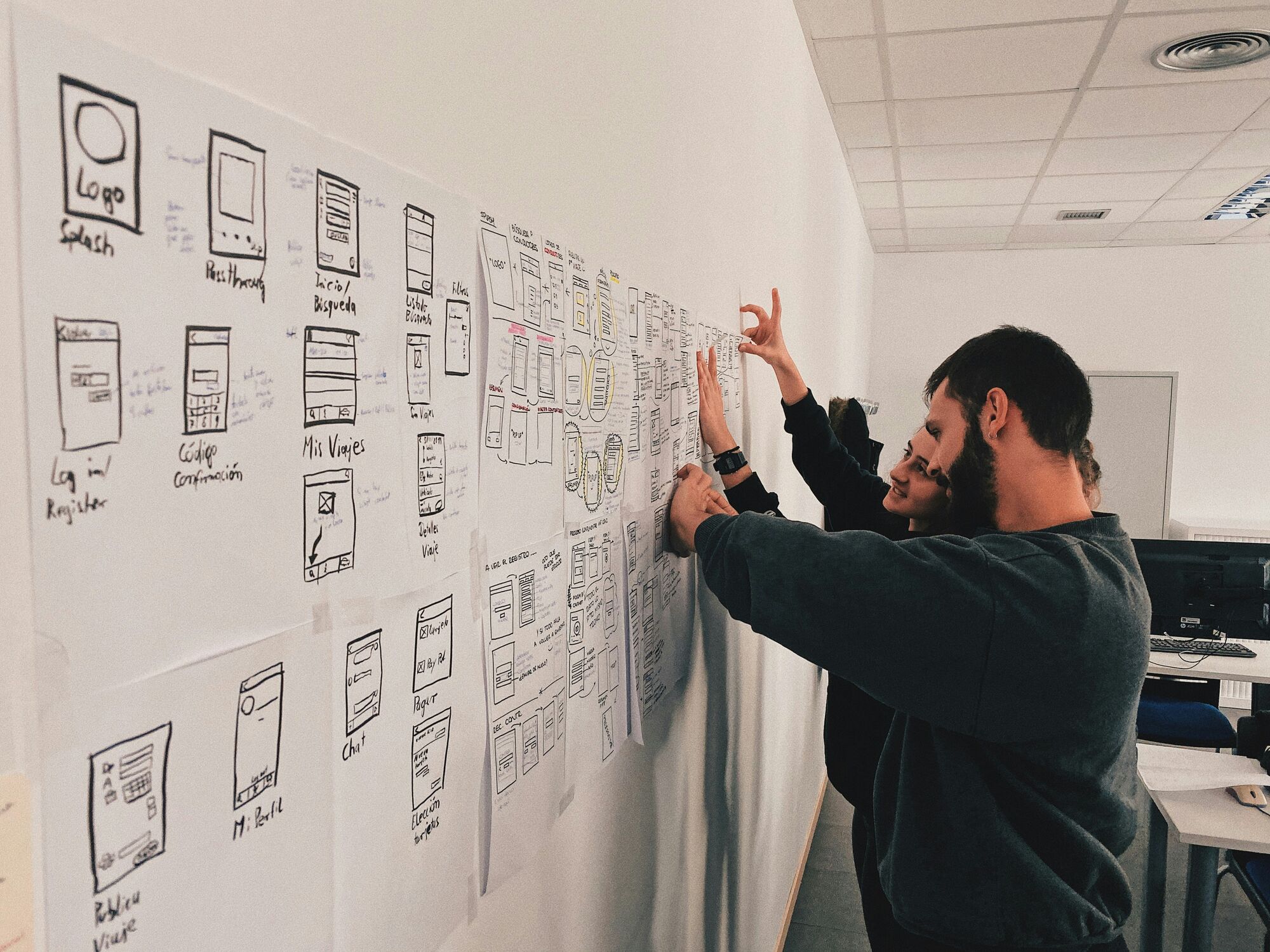
Custom web and mobile applications for inspections, maintenance requests, production logs and shift handovers, including offline-first apps for areas without signal.

ERP implementation and integration (SAP Business One, Microsoft Dynamics 365 Business Central, Odoo, NetSuite, Sage 200), data pipelines and Power BI dashboards for production, cost and compliance figures.
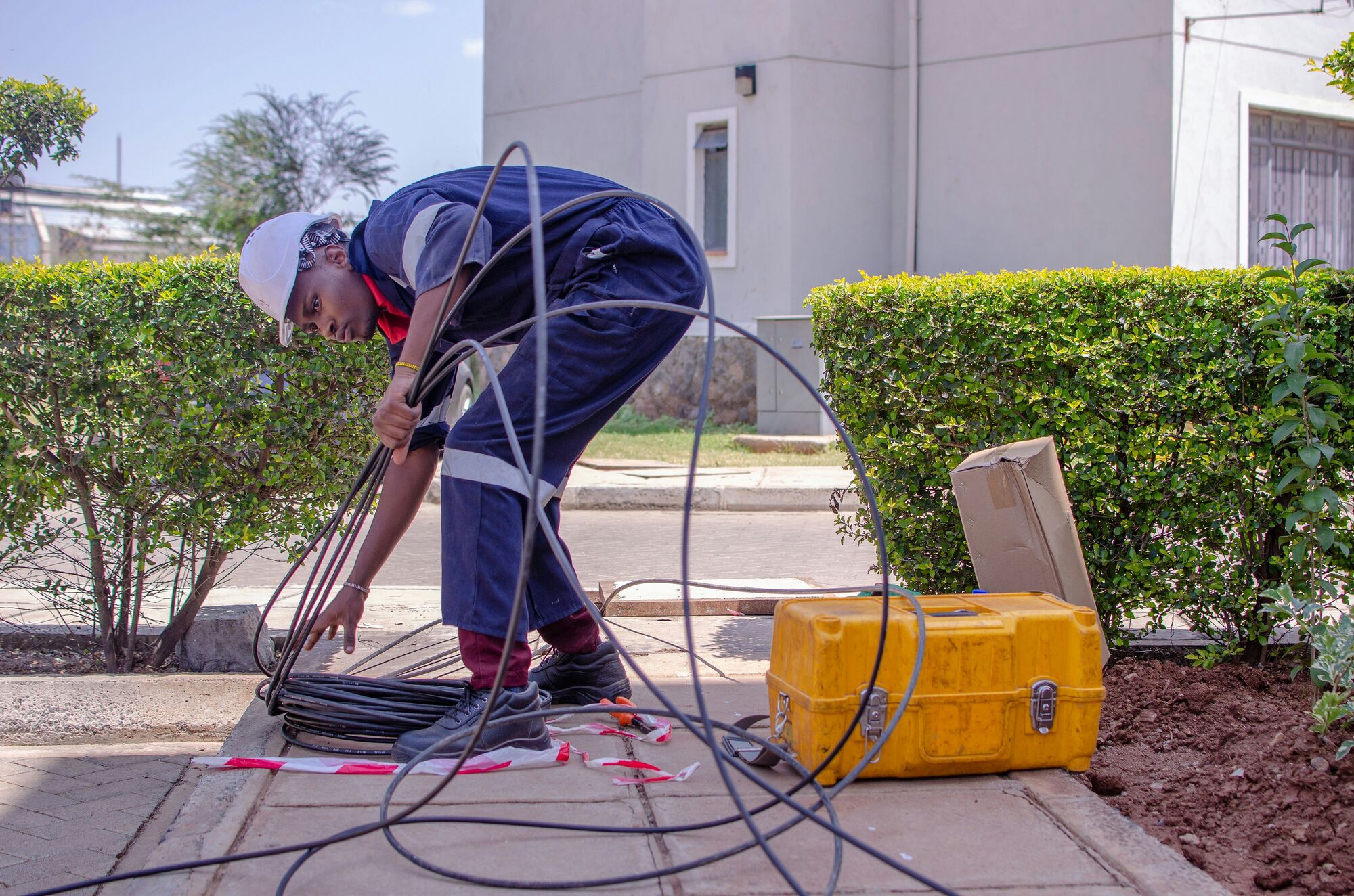
Business fibre and fixed LTE through our connectivity division, bundled into the support contract.
Plant floors run on control platforms such as Siemens' Totally Integrated Automation (TIA) portfolio, in which controllers, HMIs, drives and plant networks are engineered in one environment, and on equivalent platforms from other automation vendors. That control engineering belongs to your automation engineers and to the vendor or integrator who built the system. Our work sits around it, and we are explicit about the line.
| Layer | What it includes | Our role |
|---|---|---|
| Business IT | Email, Microsoft 365 or Google Workspace, ERP, finance, HR, laptops | We run it under the SLA |
| Site IT | Site servers, Wi-Fi, cabling, control-room PCs on the business network | We design, install, document and support it |
| IT/OT boundary | Firewalls, a demilitarised zone (DMZ) for shared data, vendor remote access | We design and manage it with your engineers |
| Control systems | PLCs, SCADA, DCS, HMIs, safety systems | Your engineers and the automation vendor own it; we secure the network around it and never change control logic |
SCADA system integration and PLC integration, meaning the control logic itself, therefore stay with control engineering. What we add is getting production data out safely: a historian or SCADA export feeding a reporting database through a one-way path, so a dashboard can read from the plant but nothing on the business network can write back to it. That one-way flow is the practical core of IT/OT infrastructure design, and the safe starting point for any Industry 4.0 transformation.
Cyber security for OT differs from office security in one priority: availability and safety come before confidentiality. A laptop can be isolated and rebuilt; a kiln controller cannot. Ransomware that starts in an email and crosses a flat network into the plant is the scenario industrial security management exists to prevent.
Our industrial cybersecurity services cover:

We work to the NIST Cybersecurity Framework and MITRE ATT&CK, which includes a matrix for industrial control systems. NIST also publishes a dedicated guide to OT security, SP 800-82, a useful shared reference when IT and plant engineers agree the rules at the boundary.
Mines and manufacturers answer to auditors for quality, safety and environmental performance as much as for finance. Our team has built systems for exactly this:
Computer-integrated manufacturing rarely arrives as one purchase. Most plants connect what they already run (the ERP, maintenance, quality, weighbridge and production records) through APIs, one integration at a time, which keeps a digital manufacturing transformation free of a risky big-bang replacement; see systems integration. Mining logistics software, for moving ore, product and spares, follows the same patterns as logistics software for distribution.
Boards, operations executives and procurement teams receive:
State-owned industrial operators follow PFMA disciplines as well; see IT for state-owned entities.
Last reviewed: September 2026.
| Cost line | How it is priced | What drives the price |
|---|---|---|
| Managed IT and support | Per user (seat) per month, set after an assessment | Users and devices, number of sites, distance, on-site policy, shift cover |
| OT boundary and security work | Quoted per project, then managed | Sites and plant networks, vendor access routes, testing scope |
| Network and cabling | Quoted per project after a site survey | Distances, fibre runs, cabinets, protection from dust and heat |
| Hardware | Itemised Server Hub quote in rand, VAT included | Specification, quantity, warranty, installation |
| Software and integration | Quoted per project after scoping | Systems involved, data volumes, offline needs |
Published South African managed IT rates run from about R180 to R400 per user per month (matnet.co.za, September 2026), with some providers listing R450 (MiBOT, September 2026); published hourly rates for IT project work run from about R550 to R750 ex VAT (matnet.co.za, September 2026). For an industrial site, distance, shift cover and the boundary work above move the price most. We set a per-seat price after an assessment and quote each project against a written scope; see managed IT pricing.
01.
We walk the sites with your IT and plant engineers, map both networks and list what connects to what. You receive a written report of findings and risks.
02.
We agree the standards: segmentation rules, remote-access policy, backup schedule, change windows and documentation.
03.
We run day-to-day operations under the SLA, remote-first on our own remote-access platform and Johannesburg servers, with every remote session approved and logged.
04.
Each month we review incidents, security and performance with you and agree the next improvements, from a new site link to a production dashboard.
One contract with Arke Technologies covers the work, and one accountable team performs it on our SLA clock; everyone with access to your systems is bound by confidentiality and our security controls. Mining and industrial sits beside agriculture and distribution and the public sector among the industries we serve.
A manufacturing company needs reliable business IT (email, ERP, finance and a service desk), a site network built for the plant environment, security that separates office IT from operational technology, tested backups, and reporting that turns production data into decisions. Manufacturing IT solutions must also respect production: changes scheduled into agreed windows, and nothing that can stop a line without warning.
OT cyber security protects operational technology: the controllers, SCADA systems and HMIs that run physical processes. Unlike office IT, it puts safety and availability first, because a controller cannot simply be isolated and rebuilt. The core controls are an asset inventory, segmentation between IT and OT, controlled vendor access, careful patching and a tested incident plan.
Totally Integrated Automation (TIA) is Siemens' approach to industrial automation, in which controllers, HMIs, drives and plant networks are engineered together in one environment, the TIA Portal. We do not program TIA or any control platform; your automation engineers and the vendor own that. We secure and connect the IT around it and bring its data safely into reporting.
No. Control logic on PLCs and SCADA stays with your control engineers and the automation vendor. We handle the IT side: the network the SCADA servers sit on, the firewall between plant and office, controlled remote access, backups, and one-way data feeds from a historian or SCADA export into reporting. Being clear about that line is part of keeping a plant safe.
IT in mining has to work at remote shafts and plants, through load-shedding, dust and heat, on shared computers used across shifts. It also sits beside operational technology that cannot be rebooted at will. That means site connectivity by fibre or fixed LTE, UPS runtime sized to the site, hardened server rooms, strict change control and security that keeps office threats out of the plant.
No, and whether crypto mining is worth it as an investment is a question we do not advise on. The IT risk is cryptojacking: attackers or insiders running mining software on company servers and cloud accounts, which raises power and cloud bills and signals a security gap. Unexplained, sustained processor load on a server should be treated as a security event and investigated.
Managed IT for a manufacturer or mine is priced per user per month, set after an assessment of your sites. Published South African rates run from about R180 to R400 per user per month (matnet.co.za, September 2026), with some providers listing R450 (MiBOT, September 2026). The price depends on users, devices, sites, distance, on-site needs, shift cover and security scope; projects are quoted separately.
Start with an assessment of your sites, your networks and the boundary between office IT and the plant. You receive a written report and a plan your operations and finance teams can approve. Or talk to us about your operation first.