
Leadership and governance
Digital transformation leadership starts with an executive sponsor, a steering committee and board oversight under King IV Principle 12, or under the PFMA or MFMA in the public sector.


Digital transformation is the redesign of how an organisation works, serves customers or citizens and makes decisions, using digital technology, data and new ways of working. This guide gives South African boards and IT leaders a strategy, a roadmap and examples, and explains how Arke Technologies, in Johannesburg, delivers it.
Last reviewed: September 2026 · , 17 min read
Last reviewed: September 2026.
Defining digital transformation is harder than it sounds, because the phrase is used for everything from scanning paper to reinventing a business. A useful digital transformation definition: the redesign of how an organisation creates value, serves its customers or citizens and runs its operations, using digital technology and data, together with the changes in skills, culture and governance that make the new way of working stick.
Digital transformation defined that way is about the organisation, not the technology. Buying a new system is a project. Changing how work flows, who decides and what customers experience, with the system as the enabler, is transformation. If you need to explain digital transformation to a board in one sentence, try this: technology changes what is possible, and transformation changes what you actually do.
The meaning of digital transformation that matters is the practical one. To define digital transformation for your organisation, name the outcomes it must deliver, such as faster service, lower cost to serve, better compliance or new revenue, and measure them. This guide, part of our insights and guides, shows how.
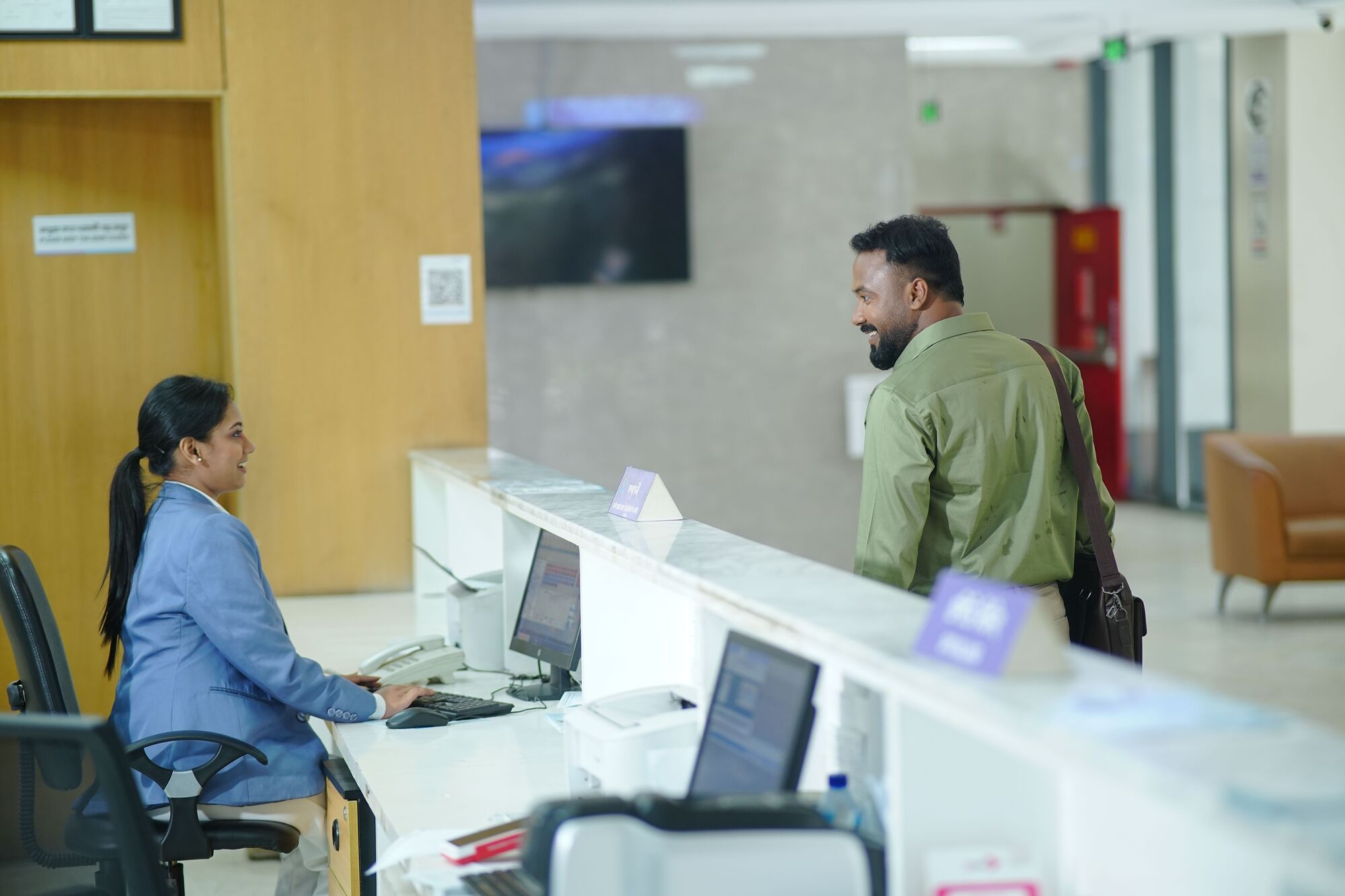
Business transformation, the wider discipline of changing an organisation's structure, processes and model, is older than digital technology; digital transformation is business transformation in which technology and data are the main levers.
What is digital business transformation? It is the part of the programme that changes the business model itself: what you offer, how customers buy and how you earn. A digital business transformation definition adds the destination, a digital business, meaning one whose products, channels or operations run on digital platforms and data.
IT digital transformation is the technology side of the same programme: modernising infrastructure, moving suitable workloads to the cloud, integrating systems, securing identities and data, and retiring what no longer serves. It is necessary but not sufficient: the IT work and the wider digital transformation succeed together or not at all.
The three terms describe three depths of change. The middle term is also spelt digitalization; the meaning is the same.
| Term | What changes | Public-sector example | School example | Company example |
|---|---|---|---|---|
| Digitisation | Information moves from paper to digital form | Scanning building plans | Capturing marks electronically | Scanning supplier invoices |
| Digitalisation | A process runs on digital tools | Online applications for building plans | Parents paying fees and signing forms online | Invoices captured and approved in the accounting system |
| Digital transformation | The organisation works and serves differently | Plans assessed and tracked end to end, with the status visible to applicants | Learning, assessment and communication redesigned around one platform | Procure-to-pay redesigned, with exceptions flagged by data and suppliers paid on time |
So digitalisation and digital transformation are related steps, not synonyms. A digitalisation strategy improves existing processes; a digital transformation strategy decides which processes, services and business models should exist at all.
Digital transformation in the business environment of South Africa has its own pressures. Customers and citizens expect to transact online and on their phones. Budgets are tight and skills are scarce, so automation matters. POPIA sets rules for every system that holds personal information, and cyber attacks reach organisations of every size. Connectivity has improved, but branches, schools and sites outside the metros still need systems that keep working through load-shedding and dropped lines.
Investment follows those pressures: South African IT services are forecast to grow from USD 14.7 billion in 2025 to USD 27.0 billion in 2030, with managed security the fastest-growing segment at 14.2% a year (Mordor Intelligence). The practical question for most organisations is how to change without disrupting service, overspending or losing control of their data. That is what digital transformation in South Africa looks like when it works: steady, governed change rather than a single leap.
A digital transformation framework gives the programme its structure. Ours has eight building blocks, and a programme that neglects any one of them usually stalls:
Digital transformation leadership starts with an executive sponsor, a steering committee and board oversight under King IV Principle 12, or under the PFMA or MFMA in the public sector.
Customer experience digital transformation begins with the journeys that matter most: applying, paying, querying and enrolling.
Digital transformation automation removes re-keying, chasing and approvals by email, using workflow tools first and AI where cases vary.
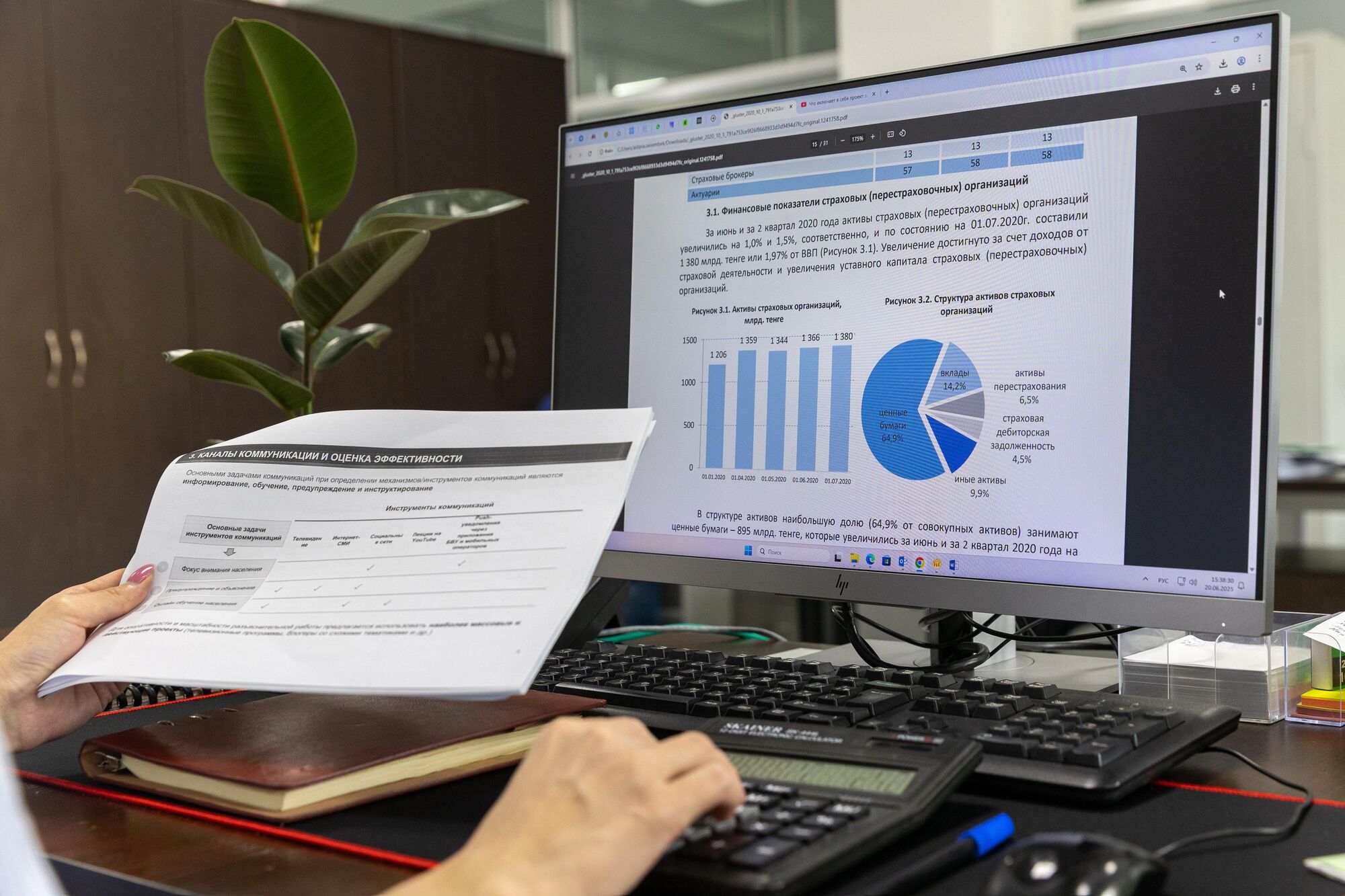
Digital transformation data work creates one version of the truth, and digital transformation data analytics turns it into dashboards and decisions; see what is business intelligence.
Enterprise architecture for digital transformation maps systems, integrations and data flows, so that each change fits the whole.

Cloud computing and digital transformation go together because cloud services scale, integrate and recover faster, though some workloads still belong on premises or in colocation; see cloud computing explained.
Identity, backup, monitoring and POPIA controls are designed in from the start, not added later.
Digital transformation culture and change management decide whether people adopt the new way of working.
Digital transformation and sustainability meet across all eight: fewer paper processes, fewer unnecessary site visits and right-sized, energy-efficient hardware.
A digital strategy says where the organisation wants to be; a digital transformation strategy says how it will get there, in what order and with what money. The digital transformation strategies that succeed share the same steps:
01.
service levels, cost to serve, revenue, compliance, or learner and citizen outcomes. Every initiative must trace to one.
02.
systems, data quality, integrations, security, skills and contracts. Our IT consulting and virtual CIO service starts here.
03.
Choose a few journeys to change first, with high volume, visible pain and data you control.
04.
which systems stay, which go and how they will integrate.
05.
Build the business case, with costs over the whole contract term and benefits the finance director will sign off.
06.
a steering committee, a benefits register, change control and board reporting.
07.
Agile digital transformation ships working changes in short cycles, within the controls that project management in digital transformation still needs: scope, budget, risks and decisions on record.
08.
Manage the change, with training, communication and support for the people whose work changes.
09.
report benefits, retire what did not work and fund what did.
A transformation strategy is never finished. Revisit it at least annually, or whenever the organisation's priorities change.
A roadmap for digital transformation sequences the work so that each phase pays for or enables the next:
Discover and baseline
Map processes, systems, data and risks, and agree the outcomes and the budget envelope.Lay the foundations
Identity and access, security, backup, connectivity, cloud and a clean data model. Skipping this phase is a common and costly mistake.Deliver quick wins
Automate high-volume manual processes and fix the most painful journeys, so that people see value early.Modernise the core
Replace or integrate the core systems, such as ERP, CRM and billing, and move legacy applications to modern platforms; see what is an ERP system and legacy system modernisation.Optimise and innovate
Analytics, AI and new digital services, built on the foundations and data of the earlier phases.Digital transformation examples are most useful when they come from your own sector. Each example of digital transformation below changes how work is done, not only which tool is used:
| Sector | Digital transformation example | What changes |
|---|---|---|
| Retail | Digital transformation in retail links point of sale, stock, e-commerce and payment gateways into one view | Customers buy on any channel, and stock is right in every store |
| Insurance | Digital transformation in insurance puts claims online, reads documents with AI and gives brokers a portal | Faster claims, fewer calls |
| Supply chain | Supply chain digital transformation gives field agents offline-first ordering and live stock visibility | Orders captured anywhere, synced when the signal returns |
| Construction | Digital transformation in the construction industry moves site diaries, snag lists and drawings onto mobile devices | Fewer disputes, faster sign-off |
| HR | HR digital transformation brings self-service, digital onboarding and payroll integration | Less administration, accurate records |
| Marketing | Digital transformation in marketing connects CRM, campaigns and consent records | Campaigns that respect POPIA opt-outs |
| Mining and manufacturing | Digital transformation in Industry 4.0 settings connects sensors, maintenance systems and analytics | Planned maintenance instead of breakdowns |
| Municipalities | Revenue systems reconcile billing, metering and property-valuation records | Revenue that no longer leaks unnoticed |
| Education | Learning, communication and administration run on Google Workspace for Education or Microsoft 365 Education, integrated with SA-SAMS | Less administration for teachers |
Retail industry digital transformation is the most visible of these to the public; see IT for retail and e-commerce. For councils, municipal revenue enhancement covers the billing, metering and valuation example in depth. Digital transformation for SMEs follows the same patterns at a smaller scale, usually starting with cloud productivity, accounting and online payments (IT for small and medium businesses).
A digital transformation case is most convincing when you can see it running. Three from work our team has delivered:

Evolv Accountants runs its compliance, UIF declarations, salary schedules, inbox and tasks on AtlasOS, our platform for professional services firms. Read the Evolv case study or visit the AtlasOS site (opens atlaspractice.app).
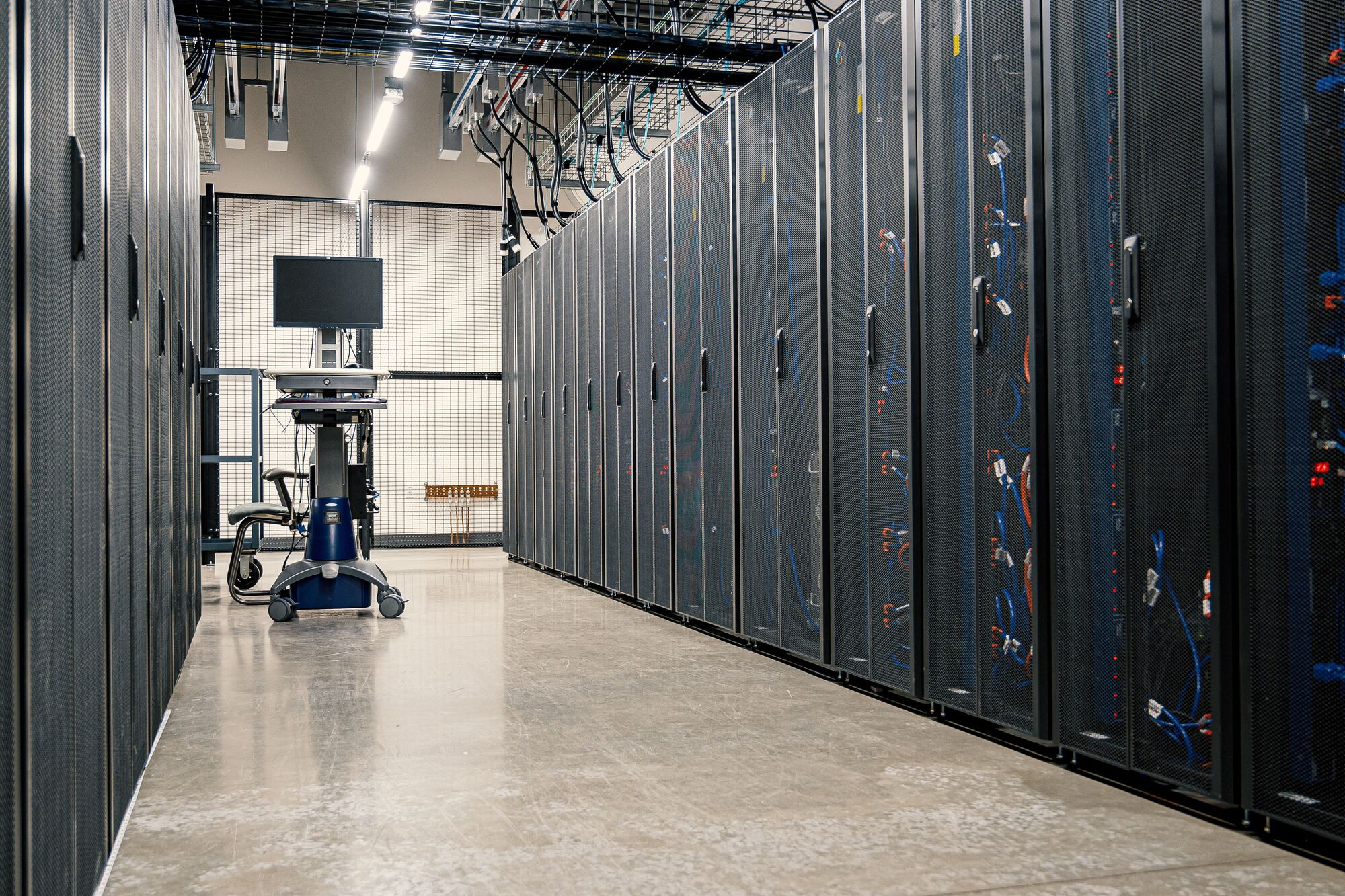
Server Hub, our hardware division, trades on a commerce and quoting platform we built: a catalogue of more than 26,000 products, quotes backed by dated sources, PayFast and Yoco payments and AI-assisted sourcing.
Atlas OS gives us visibility across 89 entities that we simply did not have before. The compliance tracking alone has saved us significant time every month.
AI and digital transformation are now discussed together, with reason: generative AI drafts and summarises, AI agents complete multi-step tasks, and predictive models forecast and flag. But AI amplifies whatever it is given. On poor data and unclear processes it produces confident mistakes faster; on clean data and well-designed processes it removes work.
So AI belongs in the later phases of the roadmap, or in narrow, well-governed pilots alongside the foundations. Digital transformation and innovation meet here: the organisations that gain most from AI are those that fixed their data and processes first. Read what is generative AI and AI agents vs generative AI, or see our AI consulting and implementation service.
Digital transformation challenges are predictable, and so are the controls that prevent them:
The board or council is accountable for digital transformation, an executive sponsor owns it, and a small team runs it day to day:
| Role | What they do |
|---|---|
| Executive sponsor | Owns the outcomes and budget, and chairs the steering committee |
| Digital transformation manager | Runs the programme: plan, budget, risks, benefits and reporting |
| Digital transformation strategist | Shapes the strategy and roadmap, and keeps initiatives tied to outcomes |
| Digital transformation specialist | Brings depth in one area, such as process automation, data or cloud |
| Enterprise architect | Keeps systems, integrations and data coherent |
| Change and training lead | Prepares people for new ways of working |
| Digital transformation consultant | Brings outside experience, method and capacity for a defined scope |
Qualifications help, but they do not replace delivery experience. Leaders study for an MBA with a digital focus, a masters in digital transformation or, in research roles, a PhD in digital transformation, while staff take shorter courses, such as the Digital Transformation in the Business Environment module at MANCOSA, a South African business school. A digital transformation summit in South Africa is a good place to compare notes with peers. Digital transformation specialists who have delivered in your sector are worth more than any certificate.
Digital transformation companies come in four kinds, and most programmes use more than one:
| Option | What you get | Watch |
|---|---|---|
| Management consultancy | Digital transformation management consulting: strategy, business case and operating model | Advice without delivery, and a gap between the plan and the systems |
| Software and integration firm | Digital business transformation consulting through building and integrating systems | Who supports the result once the project closes? |
| Managed service provider | Operation, support and security of what already exists | Change may need a separate project and budget |
| Your own team | Deep knowledge of the organisation | Capacity and specialist skills |
A digital transformation consultancy is worth its fee when it stays accountable from plan to operation. That is how we work: digital transformation consulting from the first assessment, then building, integrating, securing and supporting the result, under one contract with one accountable team. Our digital transformation services span software development, systems integration, cloud, cybersecurity, AI and managed IT, with hardware from Server Hub and business connectivity from Fibre Boyz. When comparing transformation solutions and suppliers, use our guide on how to choose an IT company.
Last reviewed: September 2026.
The cost of digital transformation depends on scope, so a credible quote starts with discovery rather than a single figure. The drivers:
| Cost element | How it is usually priced | What drives it |
|---|---|---|
| Assessment and strategy | Fixed-scope project | Size and complexity of the organisation |
| Software licences | Per user per month or year, for example Microsoft 365 or Google Workspace | Number of users and the plan tier |
| Cloud and hosting | Monthly consumption | Workloads, storage, backup and recovery requirements |
| Build and integration | Project quote | Number of systems, integrations and records to migrate |
| Hardware and connectivity | Once-off purchase, or monthly for connectivity | Sites, users, servers and devices |
| Change management and training | Project or per session | Number of people, and how much their work changes |
| Run and support | Monthly, per user | Service levels and scope in the SLA |
For market context, published South African managed IT rates run from about R180 to R400 per user per month (matnet.co.za, September 2026), with some providers listing R450 (MiBOT, September 2026), and published rates for IT project work run from about R550 to R750 an hour ex VAT (matnet.co.za, September 2026). We quote project work per project after discovery and managed services per user per month after an assessment, and we show costs over the whole contract term. See managed IT services cost and Microsoft 365 pricing.
Last reviewed: September 2026 · , 17 min read
Plan your digital transformation with one accountable team
Tell us what must change, and we will start with an assessment of your systems, data and processes and a roadmap you can fund in stages.
Discuss your projectPlain, sourced guides for the people who decide on and buy technology, sent to your inbox.
Digital transformation is changing how an organisation works and serves people by using digital technology and data, together with the skills, culture and governance that make the change stick. It is not the same as buying software. A new system is a project; redesigning how work flows, who decides and what customers experience is transformation.
Digitalisation puts an existing process onto digital tools, such as moving a paper form online. Digital transformation goes further and redesigns the process, service or business model itself, so that the organisation works differently. Most programmes include both: digitalisation delivers quick efficiency gains, while transformation delivers the larger change in cost, service and insight.
A digital transformation strategy sets out which outcomes an organisation will pursue with digital technology, which processes and services change first, the target architecture, the budget and the governance. It links every initiative to a measurable outcome, such as faster service or a lower cost to serve, and is reviewed at least annually as priorities change.
Examples of digital transformation include retailers linking point of sale, stock and e-commerce into one view; insurers moving claims online; distributors giving field agents offline-first ordering apps; municipalities reconciling billing, metering and valuation records to stop revenue leaks; and schools running learning and communication on one cloud platform. Each changes how work is done, not only the tools.
The board or council is accountable for digital transformation, and an executive sponsor owns its outcomes and budget. A digital transformation manager runs the programme day to day, and IT leads the technology. In the public sector the accounting officer remains answerable under the PFMA or MFMA, so the programme reports to the audit committee as well.
Digital transformation has no fixed price: the cost depends on the number of users, systems, integrations and sites, the data to migrate and the change management needed. Published South African rates for IT project work run from about R550 to R750 an hour ex VAT (matnet.co.za, September 2026). We quote each phase after discovery, so that you can fund it in stages.
Digital transformation programmes usually fail through missing executive ownership, starting with technology rather than outcomes, big-bang system replacements, poor data, weak change management and benefits that nobody measures. Most of these are governance failures rather than technical ones, and a steering committee, a staged roadmap and a benefits register prevent most of them.
You need outside help when your team lacks the capacity, method or specialist skills, or when the organisation needs an independent view. A digital transformation consultant is most valuable when they stay accountable beyond the plan, through building, integrating and supporting the systems. Check that any consultant has delivered in your sector and will hand over everything they produce.
Tell us what must change, and we will start with an assessment of your systems, data and processes and a roadmap you can fund in stages. Discuss your project with our team.