


010 447 2445Contact
Arke Technologies home
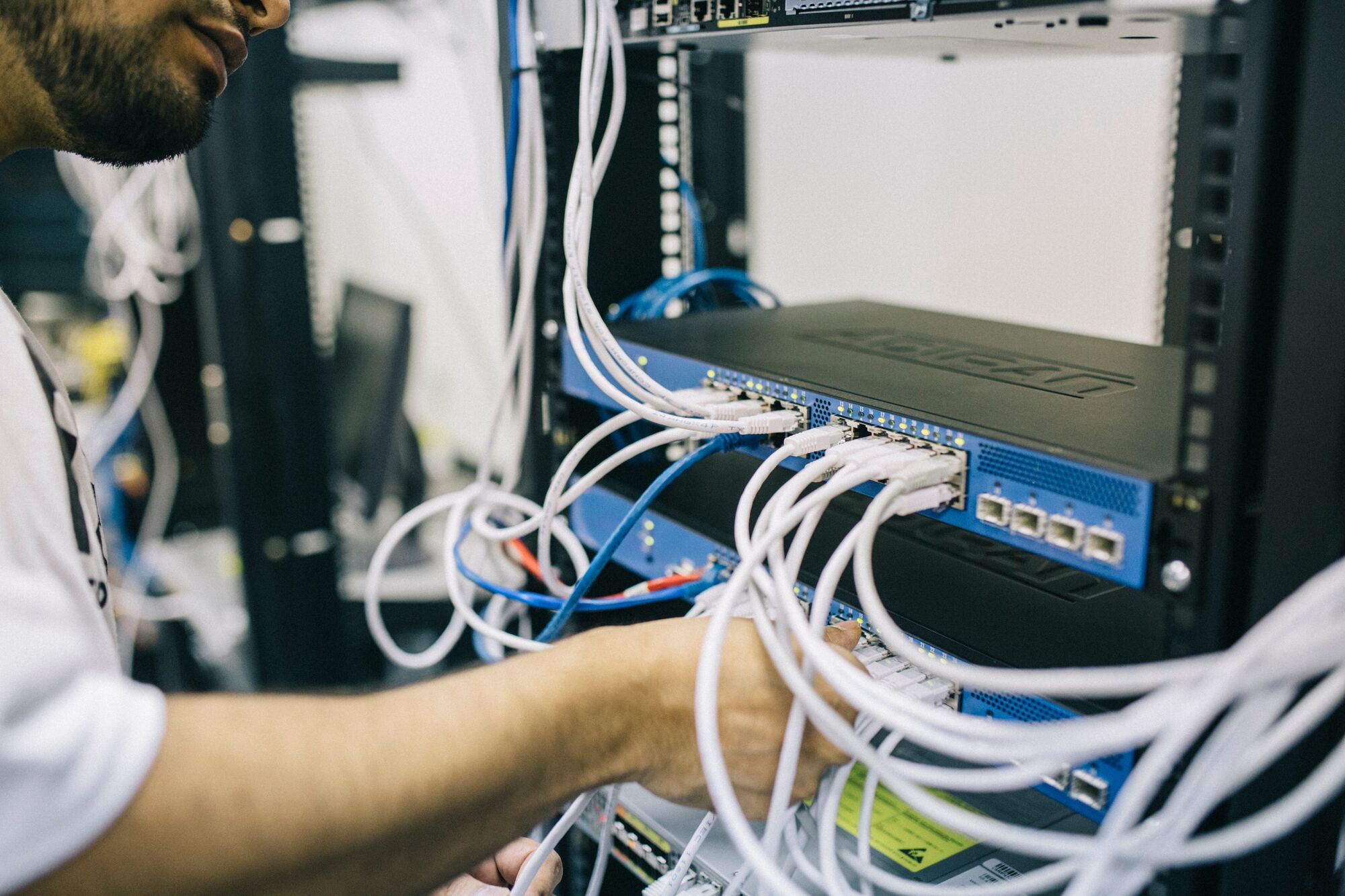
A technician patches network cables into a switch in an open rack.

Data centre colocation and server rooms, designed and managed

Data centre colocation means housing servers you own in a professional facility that supplies power, cooling, security and connectivity. Arke Technologies (Pty) Ltd, in Johannesburg, places and manages client equipment in South African colocation data centres, and designs and runs on-premises server rooms, for mid-sized and large organisations, public bodies and schools.

What is colocation? Meaning, definition and how it works

Colocation (also written co-location, and shortened to colo or coloc) is renting space, power and connectivity for equipment you own, inside a data centre someone else operates. The colocation definition in one line: your servers, their building. The facility provides the rack or cage, conditioned power backed by UPS and generators, cooling, physical security and access to many network carriers.

What server colocation means in practice: your servers, storage and firewalls are mounted in space rented by the rack unit, the half rack or the full rack, and reached through cross-connects to carriers and cloud platforms. Colocation hosting differs from managed hosting: in hosting the provider owns the hardware and rents you a server or a share of one.

We do not own or operate a data centre, which leaves us free to recommend the facility that fits. We run our own servers in Johannesburg, place your equipment in the South African facility that suits your users, carriers and budget, and manage it there under your SLA, alongside the rest of our cloud services.

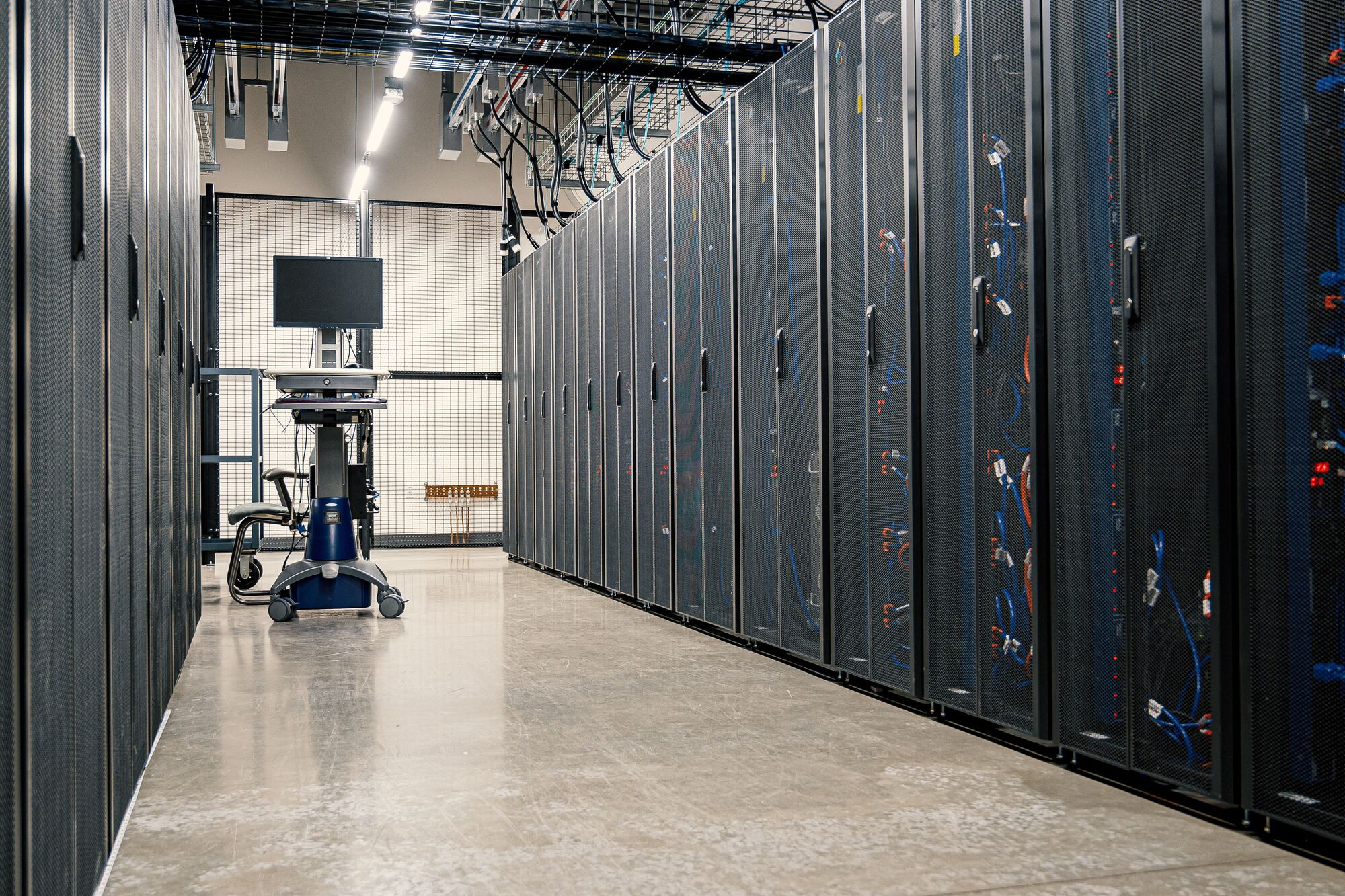
A clean data-hall aisle between rows of closed server racks, a crash cart at the far end.

Data centre colocation, hosting, cloud or your own server room?

OptionWho owns the hardwareWho runs power, cooling and securitySuitsWatch for
On-premises server roomYouYouSites with dependable power, staff on site, data that must stay in the buildingLoad-shedding, cooling, physical security
ColocationYouThe facilityOwned servers that need a professional building, carrier choice and resilient powerTravel for hands-on work, power charges
Dedicated or managed hostingThe providerThe providerA server without buying oneLess control, harder exit
Cloud server hostingThe cloud platformThe platformVariable demand, fast provisioningConsumption bills, egress fees

Hosting vs colocation comes down to ownership. Cloud server hosting, or cloud-based server hosting, rents virtual machines from AWS, Microsoft Azure or Google Cloud; a data centre in cloud computing is simply the building the platform runs in. Server Hub's guide to building, buying or renting a server  (opens serverhub.co.za) compares the costs. For hosted sites and mail, see website and email hosting; for cloud platforms, AWS, Microsoft Azure and Google Cloud.

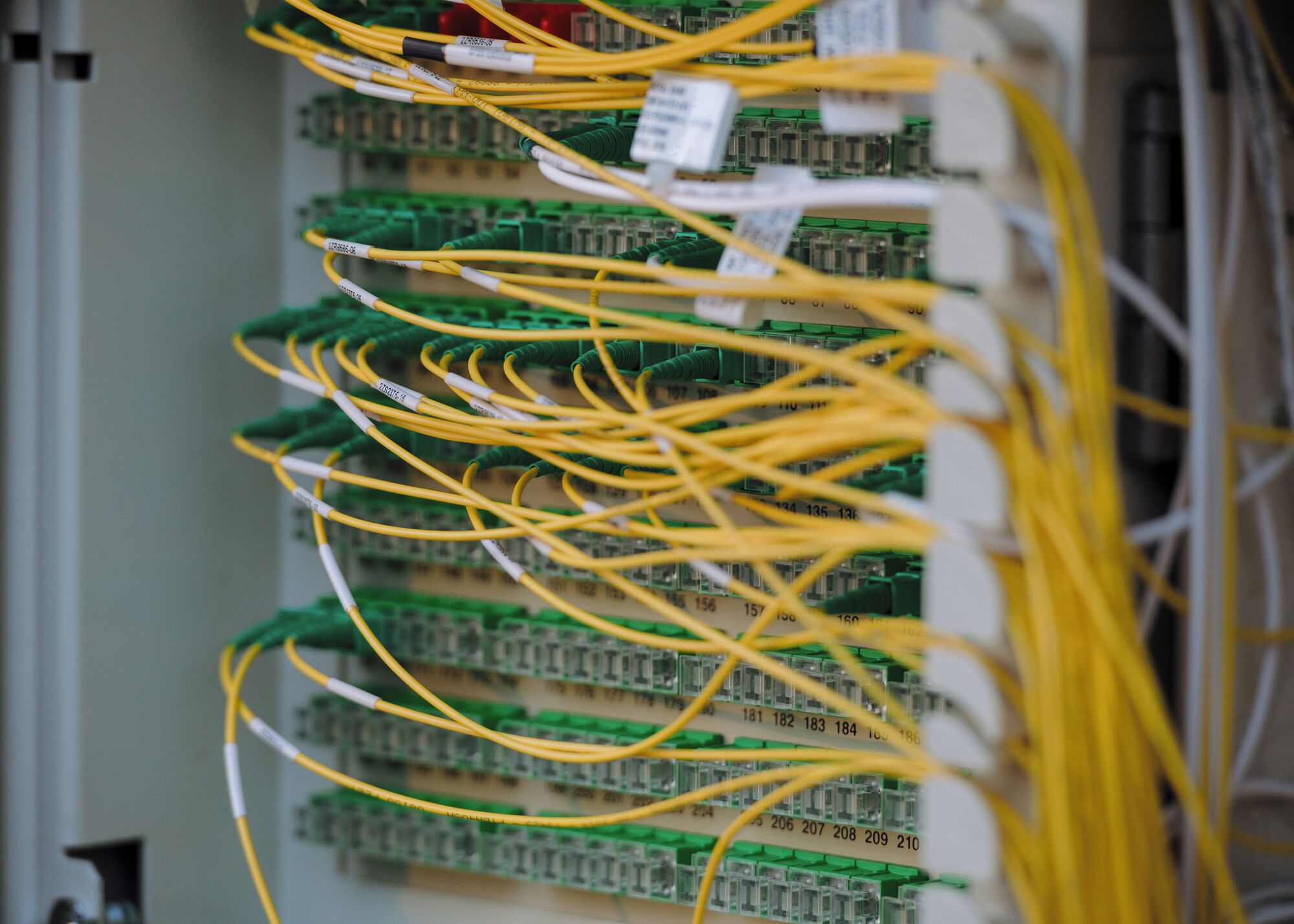
Close-up of rack-mounted servers with their status lights on.

Data centres in South Africa: where the capacity sits

South Africa's colocation capacity is concentrated in Gauteng and Cape Town. Gauteng's largest facilities cluster in Isando, near OR Tambo International Airport, and in Midrand; our head office in Greenstone Hill is a short drive from Isando. Cape Town has its own cluster, which matters when a disaster-recovery copy should sit far from Johannesburg. Data centre companies in South Africa range from carrier-neutral colocation operators to network operators and the cloud platforms themselves.

The hyperscale clouds run their own South African data centres: AWS operates its Africa (Cape Town) region, Microsoft Azure has regions in Johannesburg and Cape Town, and Google Cloud's region is in Johannesburg. You cannot place equipment in a Google or Amazon data centre, but many colocation facilities offer private connections into those platforms, called cloud on-ramps, which makes a combined data centre and cloud design practical.

Size is measured in megawatts of IT power, not floor area. The largest data centres in the world are hyperscale campuses drawing hundreds of megawatts, and dense GPU servers are raising the power each rack must be supplied with. Which is the biggest data centre in South Africa matters less than data centre locations: the right facility sits near your people and your fibre routes.

An engineer checks a tablet beside glass-fronted server racks.

Our data centre services: colocation, server rooms and private cloud

  • Choosing colocation, a server room or cloud

    We compare the options for your equipment, then colocation providers on location, power per rack, carriers, cloud on-ramps, access rules, contract terms and cost, and set it out in writing before you commit.
  • Colocation placement and management

    We move your equipment into a South African colocation data centre in an agreed window, with a rollback path: labelled, racked, cabled and tested. Out-of-band controllers and metered, switched power strips let us restart a hung server without a site visit; monitoring checks every 15 minutes and raises faults as tickets.

Each engagement starts with a conversation about what you run, then a written proposal before you commit to anything. Button: Discuss your project

Building a server room or on-premises data centre

Data centre building at office scale is mostly power, cooling and discipline.

  • Racks. One rack unit is 44.45 mm and 42U is the standard full-height cabinet, but depth decides most fits; see Server Hub on rack units and sizing a rack  (opens serverhub.co.za) and server cabinet sizes  (opens serverhub.co.za).
  • Power. Dedicated circuits, metered distribution and UPS capacity sized for a clean shutdown or to bridge to a generator; Server Hub's UPS runtime maths  (opens serverhub.co.za) shows why the label overstates runtime.
  • Cooling. Data centre cooling systems sized to the heat load, with hot and cold aisles or close-coupled units rather than an office air conditioner, and temperature sensors that alert.
  • Access. A locked room and cabinets, with every entry logged.
  • Documentation. Rack elevations, network maps, cable schedules and labelled photographs, kept current.

Servers, racks and storage from Server Hub

Server Hub, our trading division, supplies the equipment a colocation rack or server room needs, from servers to UPS units, sized to your design, configured and bench-tested before dispatch, priced in rand with VAT included and carrying a local warranty:

Power, PUE and what colocation costs

Last reviewed: September 2026.

Power is the largest line in most colocation bills and the main driver of data centre power consumption and energy cost. Power usage effectiveness (PUE) divides a facility's total electricity use by what its IT equipment uses: 1.0 would be perfect, and everything above it is cooling, conversion and lighting. At a PUE of 1.5, a server drawing 1 kW makes the building draw 1.5 kW.

For scale, a 600 W server uses about 438 kWh a month, roughly R1,226 of electricity at R2.80/kWh (Server Hub, September 2026), before cooling. Data centre electricity consumption per rack rises sharply with GPU servers, which is why many facilities price power by the committed kilowatt.

Colocation pricing is driven by space (rack units, half or full rack, or a cage), committed power per rack, cross-connects to carriers and clouds, bandwidth, remote-hands time, set-up and contract term. We publish no colocation prices; we cost the options for your equipment after an assessment and show you every line.

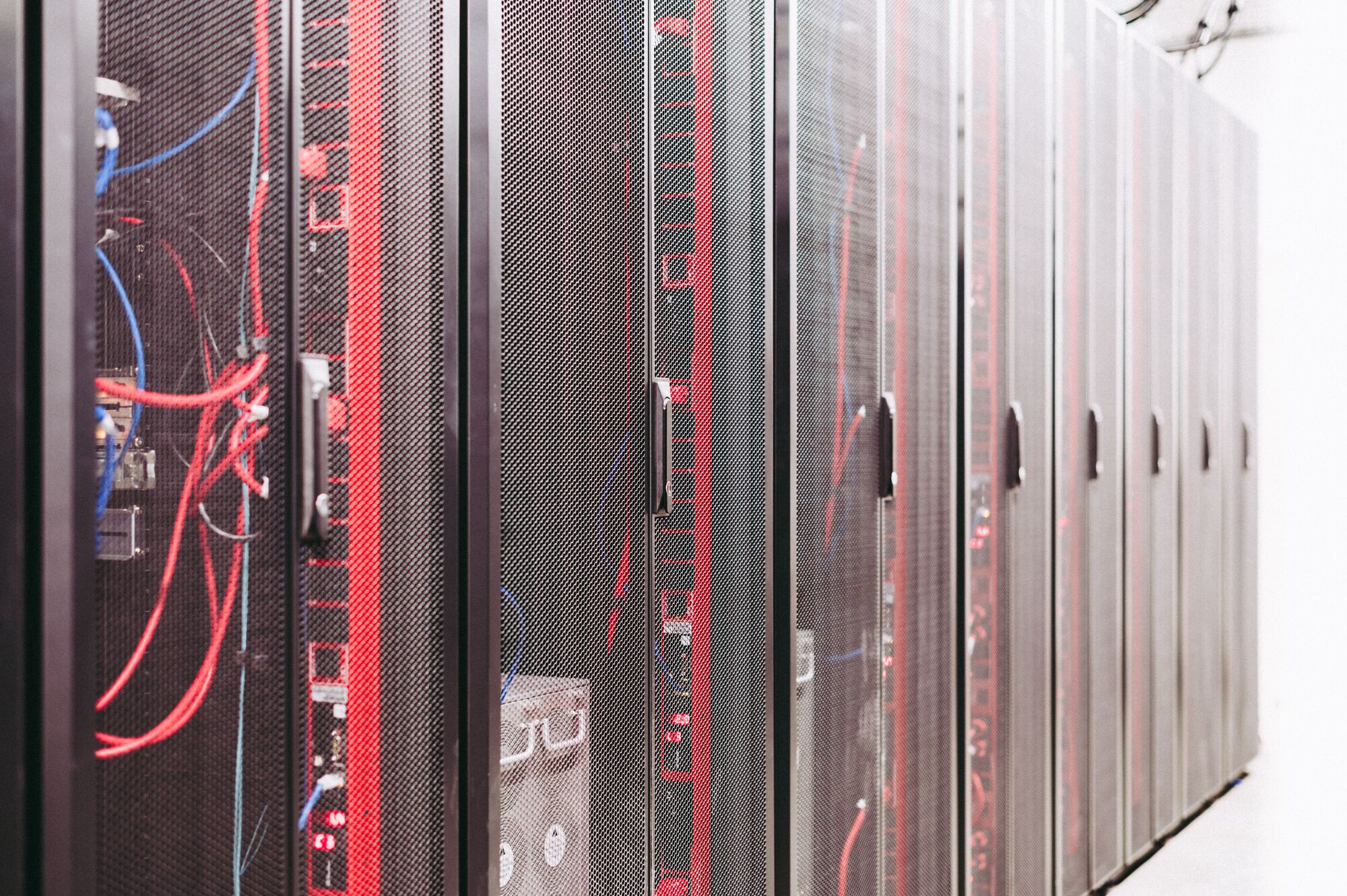
Rows of server racks with red and blue patch leads behind perforated doors.

Access, training and security in the facility

Facilities control access tightly: visits are booked ahead, identity is checked, many require induction training, and many restrict pictures in the data hall. Everyone on our side with access to your equipment is bound by confidentiality and our security controls. Before you sign, we confirm that the facility logs every visit; every remote session we open is approved and logged, so both halves of the access record are ready for an auditor.

A technician patches network cables into a switch in an open rack.

Risks, and how we prevent them

  • One facility, one failure. Critical systems replicate to a second site or a cloud region; see backup and disaster recovery.
  • Power density limits. Dense GPU racks can exceed what a facility allows per rack; we confirm power and cooling before the contract, not after delivery.
  • One carrier. Two carriers on diverse paths for anything that must stay reachable.
  • Hands-on errors. Runbooks, labels and rack elevations, so every change is planned and checked.
  • Lock-in. Contract terms, notice periods and exit steps reviewed before signature.

Governance, compliance, procurement and continuity

  • One SLA: incidents prioritised P1 (critical outage) to P4 (low-impact request), with response and resolution targets agreed to your business impact; a monthly service review and report; logged, approved changes.
  • POPIA: section 19 security safeguards, with equipment and data kept in South Africa and physical and remote access logged. King IV Principle 12 governance and PFMA or MFMA audit trails are supported with records kept ready for audit.
  • Procurement: Level 1 B-BBEE contributor, giving 135% procurement recognition (sworn affidavit available on request); CSD number, SARS tax compliance status and company documents available on request; SBD forms completed where required. Buy the move as a project and the running of it under an SLA, against your purchase order or a tender response; see procuring from Arke.
  • Continuity: you own the equipment, credentials and documentation: rack elevations, network maps and cable schedules. Adding a rack is a change to the SLA; moving to another facility or leaving us follows exit terms written into the SLA from the first day.

Frequently asked questions

What is colocation? Show answer

Colocation is renting rack space, power, cooling and connectivity for servers you own, inside a data centre another company operates. You keep ownership and control of the hardware; the facility supplies a secure building, resilient power and a choice of network carriers. It suits steady workloads that have outgrown an office server room.

What are the benefits of colocation? Show answer

The main benefits are resilient power through load-shedding, proper cooling, physical security and a choice of carriers, while you keep ownership of your hardware and data. Costs are predictable for steady workloads, and cloud on-ramps in many facilities make hybrid designs simple. The trade-offs are travel for hands-on work and paying for committed power.

What is the difference between hosting and colocation? Show answer

Ownership. In colocation you own the servers and rent the environment around them; in hosting the provider owns the servers and rents you capacity on them. Colocation gives more control and suits existing hardware; hosting and cloud server hosting avoid buying hardware but tie you more closely to the provider.

How much does colocation cost in South Africa? Show answer

It depends mainly on space and committed power: a few rack units cost far less than a full rack drawing several kilowatts. For scale, a 600 W server uses about R1,226 of electricity a month at R2.80/kWh (Server Hub, September 2026), before facility overhead. Cross-connects, bandwidth, remote-hands time, set-up and term add to it; after an assessment we cost each suitable facility, line by line.

What is data centre PUE? Show answer

Power usage effectiveness (PUE) is a data centre's total electricity use divided by the electricity its IT equipment uses. A PUE of 1.0 would mean no overhead; at 1.5, every kilowatt of servers costs another half kilowatt in cooling and losses. Lower PUE means less of your colocation bill goes on overhead.

Is it colocation or collocation? Show answer

In English IT usage it is colocation, also written co-location: placing your servers in someone else's data centre. Collocation, with a double l, is a linguistics term for words that habitually go together. In French, colocation means sharing a flat, which is why "colocation Paris" returns rooms to let, and in finance, colocation trading means placing trading servers beside an exchange's systems.

Where are the biggest data centres in South Africa? Show answer

Most of South Africa's colocation and cloud capacity is in Gauteng, around Isando and Midrand, and in Cape Town; AWS, Microsoft Azure and Google Cloud run regions across the two. We place equipment where it sits nearest your people and fibre routes.

Place your servers well

Tell us what you run, where it sits and what it must connect to. We compare colocation, a server room and cloud for your equipment and return a design, a cost for each option and SLA terms in writing. Call 010 447 2445 or email info@arketechnologies.com.